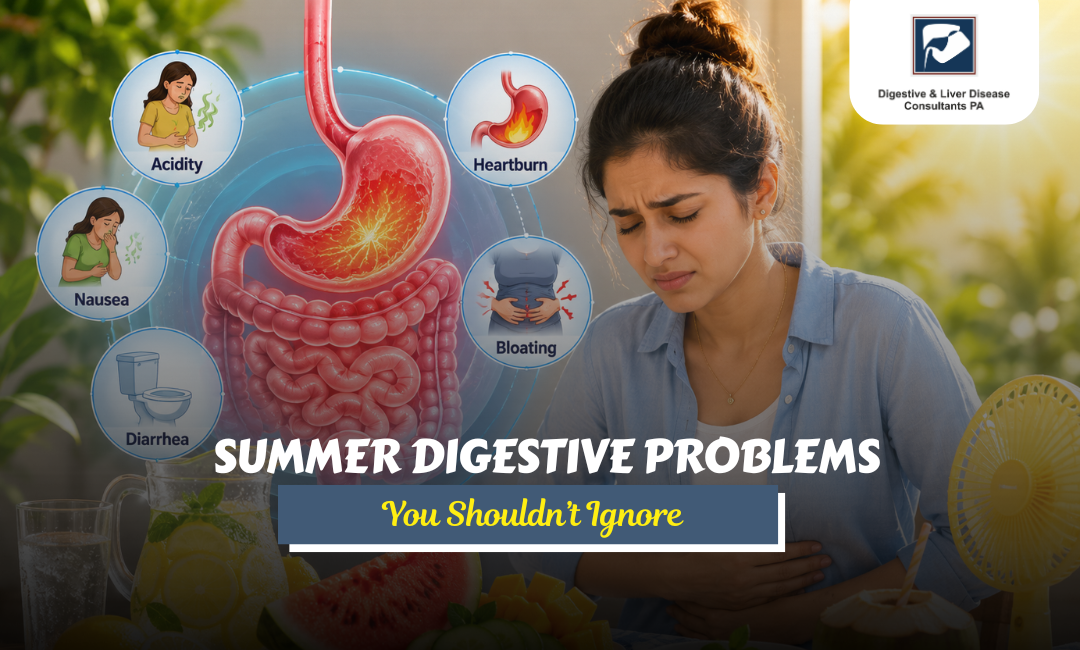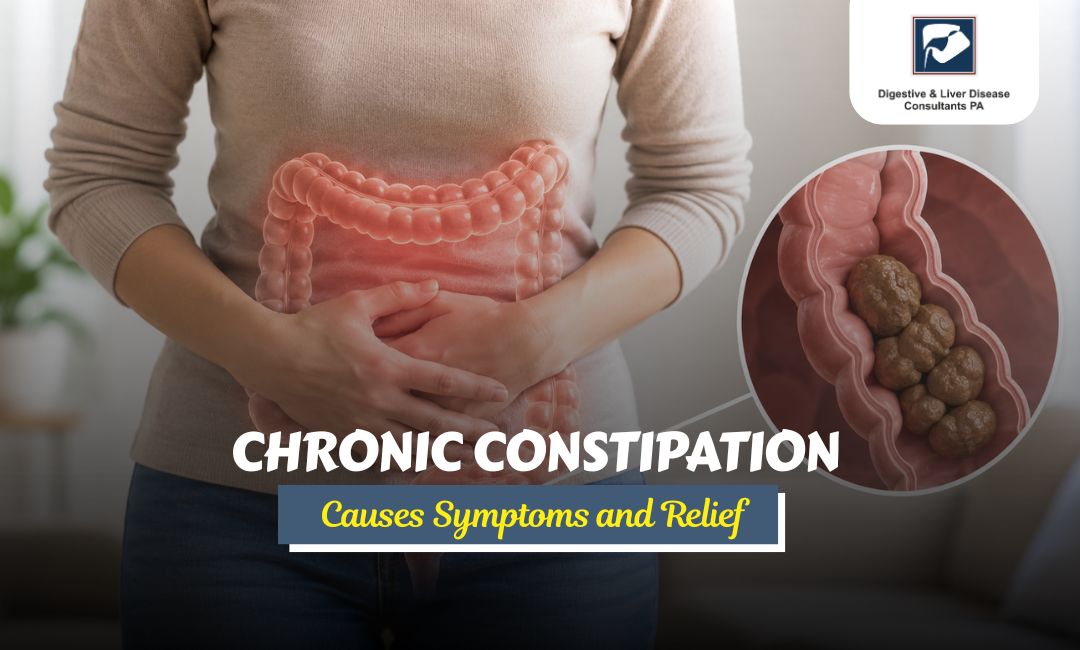
Digestive issues like bloating, gas, stomach pain, diarrhea, and constipation can make everyday life uncomfortable. For many people, these symptoms are linked to certain foods that are difficult to digest. One dietary approach that has helped many individuals manage these symptoms is the low FODMAP diet.
The low FODMAP diet is commonly recommended for people with Irritable Bowel Syndrome (IBS) and other digestive sensitivities. It focuses on reducing specific carbohydrates that may trigger digestive discomfort. By identifying and limiting these foods, many people experience significant improvement in their gut health and overall comfort.
This beginner guide explains how the low FODMAP diet works, which foods to avoid, foods you can enjoy, and how it may help support digestive wellness.
What Is the Low FODMAP Diet?
FODMAP stands for:
- Fermentable
- Oligosaccharides
- Disaccharides
- Monosaccharides
- Polyols
These are types of carbohydrates found in many foods. In some individuals, these carbohydrates are not properly absorbed in the digestive tract. As a result, they ferment in the intestines and produce gas, bloating, stomach pain, and bowel irregularities.
The low FODMAP diet helps reduce these symptoms by temporarily limiting high FODMAP foods and slowly reintroducing them later to identify personal triggers.
Who May Benefit From a Low FODMAP Diet?
The low FODMAP diet is often recommended for people dealing with:
- IBS
- Chronic bloating
- Excess gas
- Abdominal discomfort
- Diarrhea
- Constipation
- Food sensitivities
- Sensitive stomach issues
Many individuals use this diet as part of an IBS diet plan to improve digestive comfort and reduce flare ups.
Common Symptoms Triggered by High FODMAP Foods
Certain foods can worsen digestive symptoms in sensitive individuals.
Common symptoms include:
- Bloating
- Gas
- Stomach cramps
- Abdominal pain
- Diarrhea
- Constipation
- Nausea
Symptoms often occur after meals and can vary depending on the individual and the foods consumed.
Foods to Avoid on a Low FODMAP Diet
During the elimination phase, high FODMAP foods are temporarily avoided.
Fruits to Limit
Apples
Pears
Mangoes
Watermelon
Cherries
Vegetables to Avoid
Onions
Garlic
Cauliflower
Mushrooms
Asparagus
Dairy Products
Regular milk
Ice cream
Soft cheeses
Sweetened yogurt
Wheat Based Foods
White bread
Pasta
Certain cereals
Legumes
Beans
Chickpeas
Lentils
Sweeteners
Honey
Sugar alcohols
High fructose corn syrup
Avoiding these foods may help reduce digestive irritation and improve symptoms.
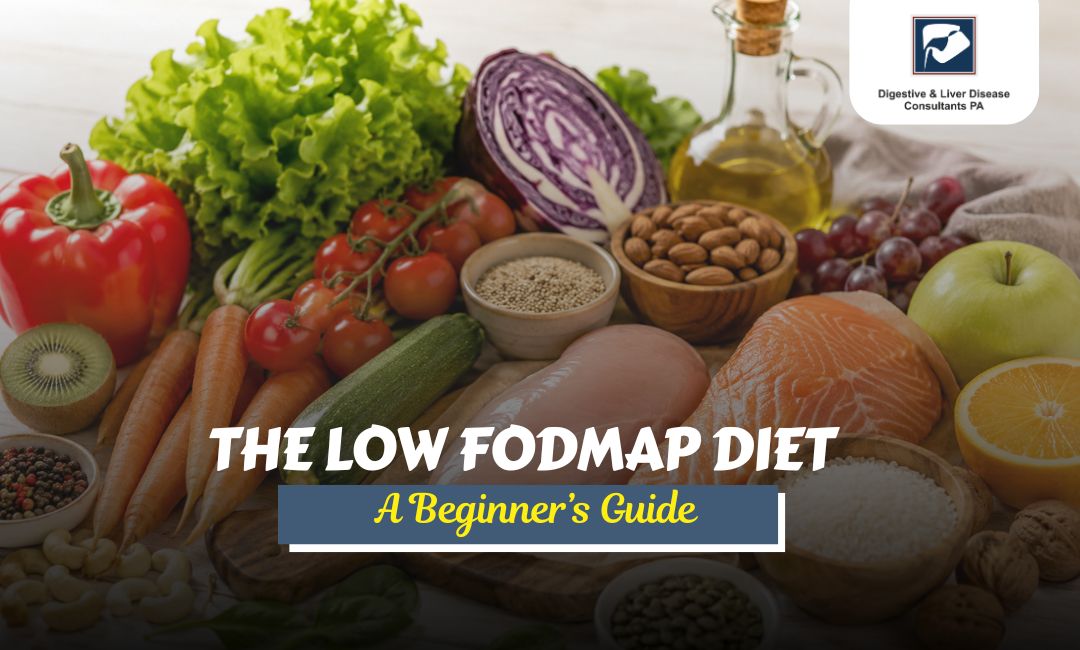
Low FODMAP Foods List
Even though some foods are restricted, there are still many nutritious options available.
Fruits
Bananas
Blueberries
Grapes
Strawberries
Oranges
Vegetables
Spinach
Cucumbers
Bell peppers
Carrots
Zucchini
Protein Sources
Eggs
Chicken
Fish
Tofu
Lean meats
Grains
Rice
Oats
Quinoa
Gluten free products
Dairy Alternatives
Almond milk
Lactose free milk
Hard cheeses
These foods can support digestive health nutrition while helping reduce bloating and discomfort.
Low FODMAP Meal Ideas
Planning meals becomes easier with simple, gut friendly combinations.
Breakfast
Oatmeal with blueberries
Scrambled eggs with spinach
Lactose free yogurt with strawberries
Lunch
Grilled chicken with rice and vegetables
Quinoa salad with cucumber and carrots
Tuna lettuce wraps
Dinner
Baked fish with roasted vegetables
Grilled chicken with potatoes
Rice noodles with tofu and spinach
Snacks
Bananas
Rice crackers
Nuts in moderation
Low FODMAP smoothies
These low FODMAP meal ideas can help support a balanced and comfortable eating routine.
Benefits of a Low FODMAP Diet
Many people notice digestive improvement within a few weeks.
Low FODMAP benefits may include:
- Reduced bloating
- Less stomach pain
- Improved digestion
- Better bowel regularity
- Reduced gas
- Improved quality of life
For many individuals, the diet becomes an effective tool for IBS bloating treatment and digestive symptom management.
Tips for Following a Low FODMAP Diet
Read Labels Carefully
Packaged foods may contain hidden high FODMAP ingredients such as onion powder or high fructose corn syrup.
Keep a Food Diary
Tracking meals and symptoms can help identify trigger foods.
Stay Hydrated
Water supports digestion and helps maintain healthy bowel function.
Avoid Long Term Restriction
The elimination phase should not be permanent. Reintroducing foods gradually helps create a balanced and sustainable diet.
Eat Smaller Meals
Smaller portions may reduce digestive stress and discomfort.
Foods for Sensitive Stomach and Digestive Issues
People with digestive sensitivities often tolerate simple foods better.
Helpful foods include:
- Rice
- Bananas
- Oats
- Potatoes
- Eggs
- Lean proteins
- Cooked vegetables
These foods are gentle on the digestive system and may help reduce irritation.
Can the Low FODMAP Diet Help IBS?
Many studies have shown that the low FODMAP diet can help reduce IBS symptoms in many individuals. Since IBS triggers vary from person to person, identifying problem foods is an important step in symptom management.
Managing IBS with diet may help:
- Reduce flare ups
- Improve comfort after meals
- Support healthy digestion
- Reduce bloating
- Improve bowel habits
However, persistent digestive symptoms should always be evaluated by a medical professional.
When to See a Digestive Specialist?
You should consult a healthcare provider if you experience:
- Severe stomach pain
- Blood in stool
- Ongoing diarrhea
- Chronic constipation
- Unexplained weight loss
- Frequent bloating
- Difficulty eating
Proper evaluation is important to rule out other digestive conditions and create an effective treatment plan.
Why Choose Digestive & Liver Disease Consultants, P.A.?
Digestive & Liver Disease Consultants, P.A. provides expert care for patients experiencing IBS, bloating, digestive discomfort, and other gastrointestinal conditions. Their experienced specialists focus on accurate diagnosis and personalized care to help patients achieve better digestive health.
Patients choose Digestive & Liver Disease Consultants, P.A. for:
- Experienced digestive health specialists
- Comprehensive gastrointestinal evaluations
- Personalized nutrition guidance
- Advanced diagnostic testing
- Compassionate patient centered care
- Long term digestive wellness support
Their team works closely with patients to identify triggers, manage symptoms, and improve quality of life through customized digestive care plans.
Conclusion
The low FODMAP diet can be a helpful approach for people struggling with IBS, bloating, and digestive discomfort. By reducing foods that trigger digestive symptoms and gradually identifying personal food sensitivities, many individuals experience better digestion and improved daily comfort.
A balanced low FODMAP diet can support digestive health while still providing nutritious and satisfying meals. Understanding your body’s food triggers is an important step toward long term gut wellness.
If digestive symptoms continue despite dietary changes, professional medical care is important for proper diagnosis and treatment.
Looking for expert digestive care?
Contact Digestive & Liver Disease Consultants, P.A. today to schedule an appointment with experienced gastroenterology specialists. Get personalized treatment plans and expert guidance to help manage IBS, bloating, and digestive health concerns effectively.