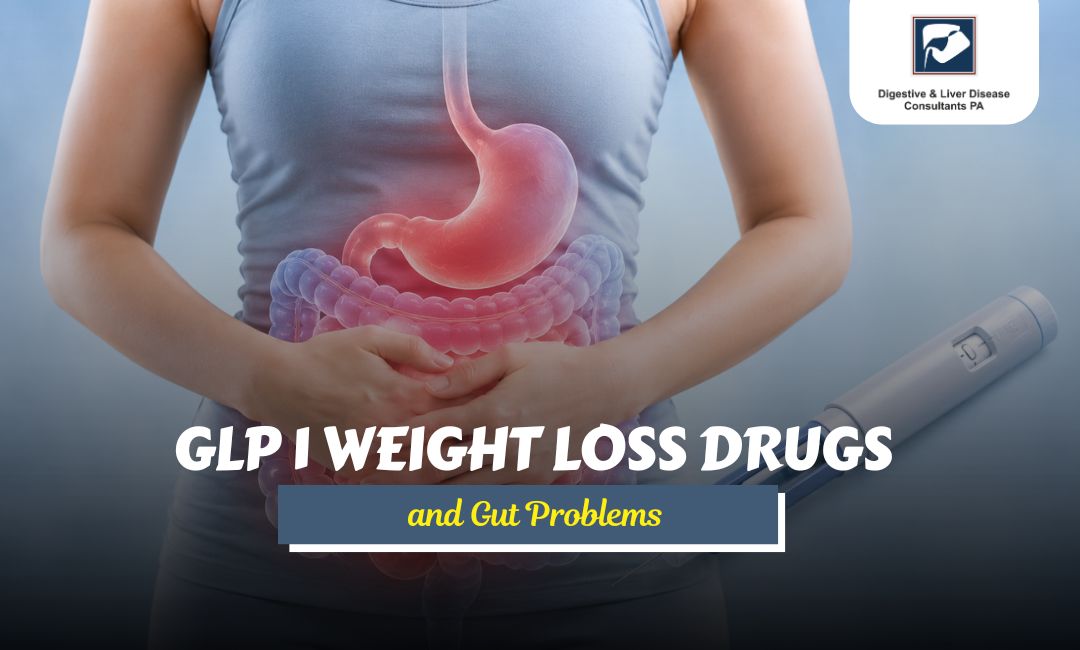
The rise of GLP 1 weight loss drugs has transformed the landscape of chronic weight management. Medications like semaglutide and tirzepatide have helped millions achieve significant health milestones. However, their profound impact on metabolic health often comes with a trade-off in the digestive tract.
Because these medications work by fundamentally altering how your digestive system processes food, gastrointestinal symptoms are incredibly common. If you are using weight loss injections or considering them, understanding how these medications affect your gut health is essential for a safe, comfortable health journey.
Take control of your gut health today. Book a consultation with our best GI experts and digestive specialists at Digestive and Liver Disease Consultants, P.A. to ensure your health journey stays safely on track.
Understanding GLP 1 Medications and the Gut Connection
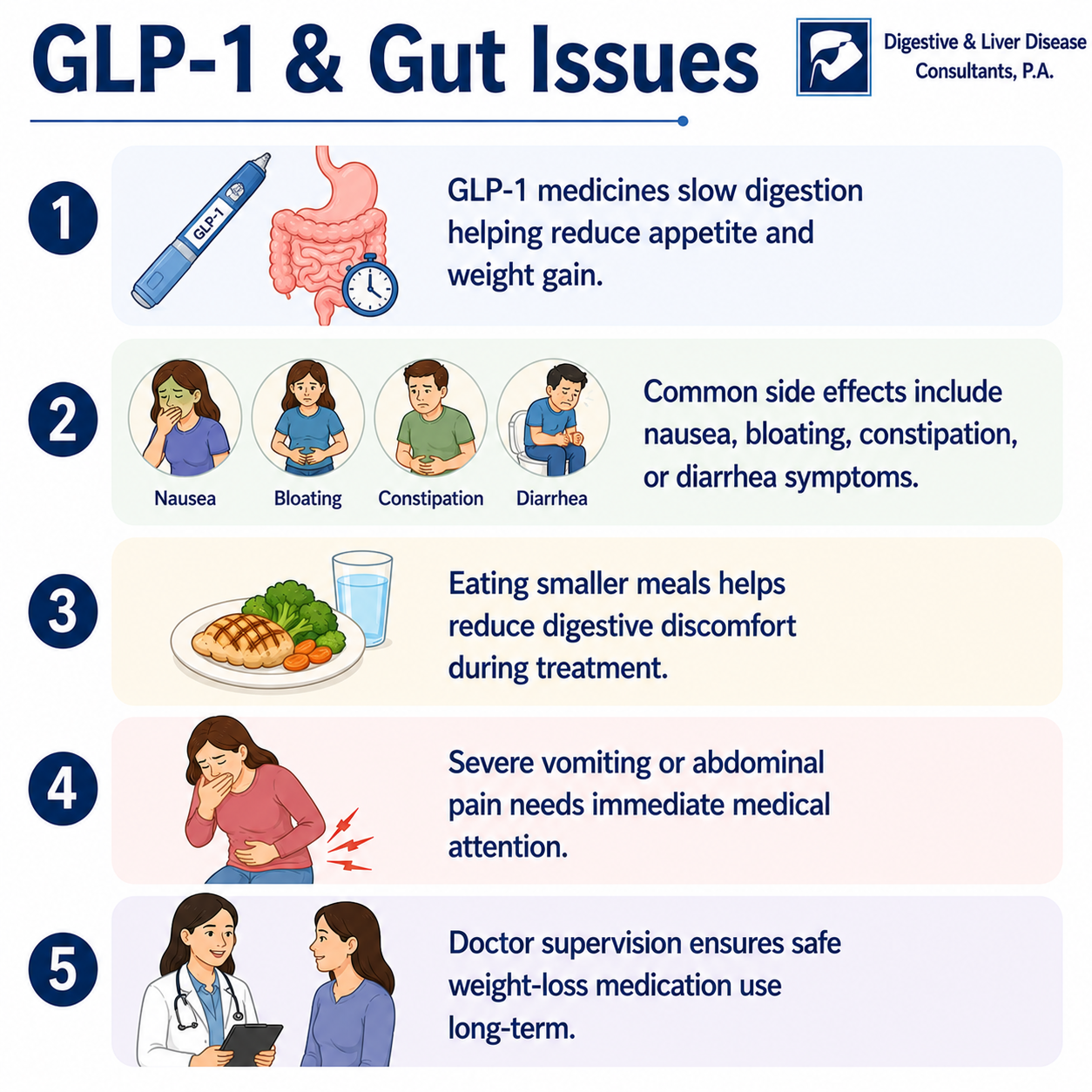
GLP 1 (glucagon-like peptide-1) receptor agonists mimic a natural hormone your body secretes after eating. This hormone targets areas of the brain that regulate appetite and food intake. Crucially, it also slows down gastric emptying, meaning food stays in your stomach for a significantly longer period.
While this delayed emptying is exactly what helps you feel full longer and consume fewer calories, it is also the primary driver behind most GLP 1 gastrointestinal side effects. When the digestive tract slows down drastically, it can lead to a backlog in the system, resulting in a variety of uncomfortable symptoms.
Common GLP 1 Side Effects: The Digestive Impact
For most patients, weight loss injections side effects are mild to moderate and occur most frequently when first starting the medication or when increasing the dose. However, for some, these symptoms can become severe enough to disrupt daily life or lead to medication discontinuation.
Nausea and Vomiting
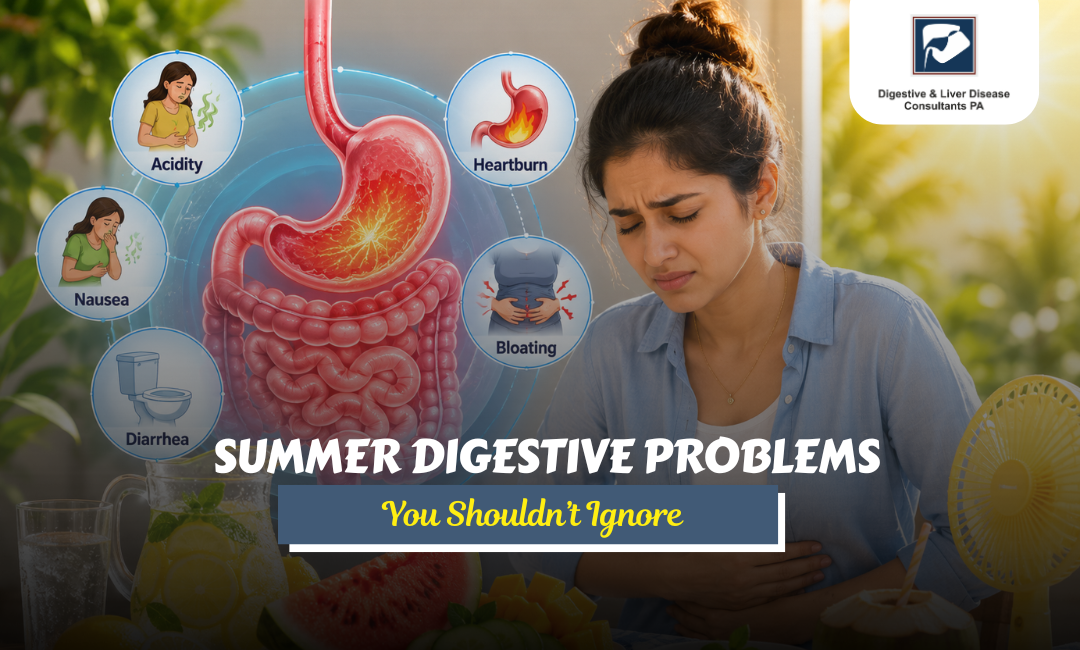
Nausea from GLP 1 drugs is the most frequently reported symptom. Because the stomach holds onto food longer, you may feel excessively full, leading to waves of nausea, especially after eating high-fat or large meals. In some cases, this nausea can progress to vomiting if the stomach becomes too full.
Severe Constipation
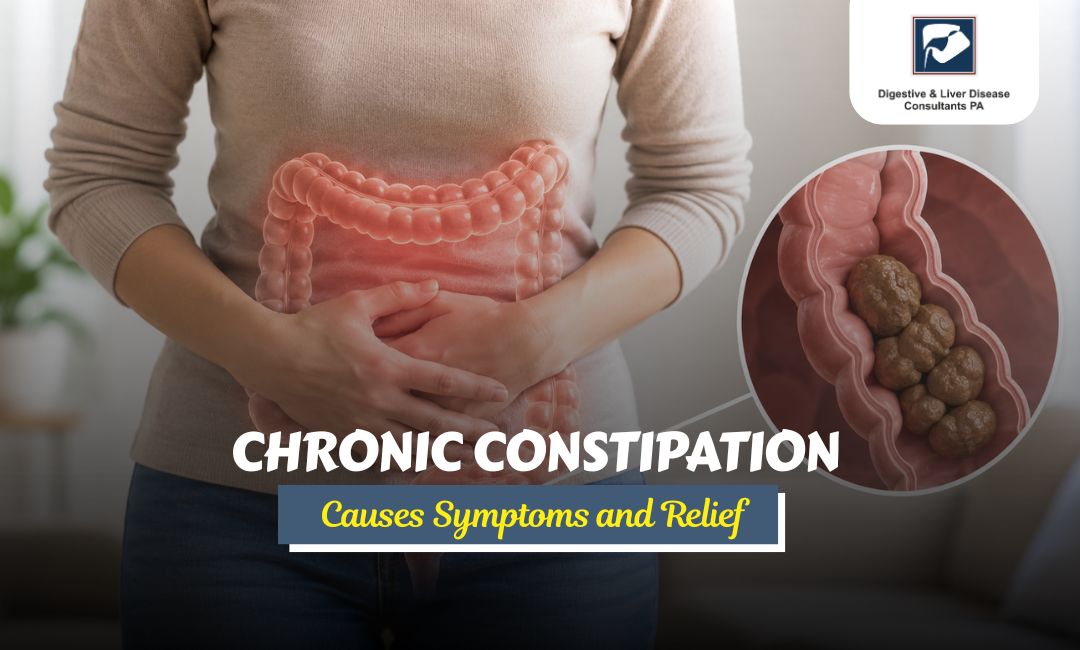
Constipation and GLP 1 medications frequently go hand in hand. When the movement of the entire digestive tract (peristalsis) slows down, the colon absorbs more water from the waste material. This results in hard, dry stools that are difficult to pass. Managing constipation early is critical to prevent more severe complications like fecal impulsion or bowel obstructions.
Diarrhea and Loose Stools
Paradoxically, some patients experience diarrhea from weight loss drugs rather than constipation. This often happens because unabsorbed nutrients or shifts in the gut microbiome pull excess water into the bowel. It can also occur as a reaction to sudden dietary changes made while on the medication.
Bloating, Gas, and Acid Reflux
Ozempic stomach issues and Wegovy digestive symptoms often include a persistent sense of fullness, visible bloating, and frequent belching. Because food sits in the stomach longer, it has more time to ferment, creating excess gas. Additionally, the pressure from a full stomach can force stomach acid upward, causing severe heartburn or acid reflux.
Serious Gastrointestinal Complications to Watch For
While mild nausea or bloating can often be managed with lifestyle adjustments, some tirzepatide gut problems and semaglutide digestive issues require immediate medical intervention. Understanding weight loss drug safety means knowing when a symptom is a minor side effect versus a medical emergency.
Gastroparesis (Stomach Paralysis): In severe cases, the stomach slows down so much that it effectively stops moving food forward. This leads to persistent vomiting, severe pain, and an inability to keep fluids down.
Pancreatitis: A rare but serious inflammation of the pancreas that causes severe, constant abdominal pain that radiates to the back, often accompanied by fever and vomiting.
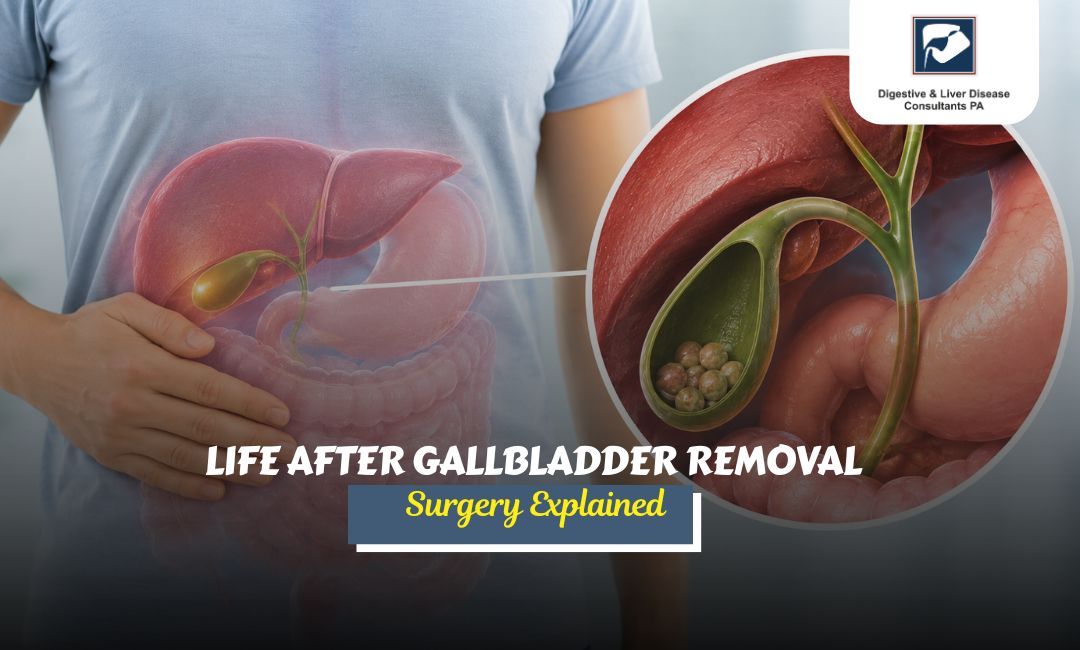
Gallbladder Disease: Rapid weight loss combined with altered gut motility can increase the risk of gallstones or cholecystitis (gallbladder inflammation), which presents as sharp pain in the upper right portion of the abdomen.
Practical Strategies for Managing GLP 1 Side Effects
Optimizing your obesity medications gut health requires a proactive approach to diet and lifestyle. You do not always have to live with debilitating side effects to achieve your weight loss goals.
Eat Smaller, More Frequent Meals: Since your stomach empties slowly, large meals will quickly overwhelm your system. Eating small portions throughout the day prevents the stomach from becoming overly full.
Prioritize Hydration and Fiber: To combat constipation, drink plenty of water throughout the day. Gradually increase your intake of soluble fiber, or speak to a physician about an appropriate fiber supplement or stool softener.
Avoid High-Fat and Ultra-Processed Foods: Fatty, greasy, and fried foods naturally slow down digestion even further, making nausea and acid reflux significantly worse. Lean proteins, complex carbohydrates, and simple cooked vegetables are generally tolerated much better.
Eat Slowly and Stop Before You Are Full: Stop eating the exact moment you feel satisfied. Eating past this point almost guarantees bloating and nausea later.
Stay Upright After Meals: Avoid lying down for at least two to three hours after eating to give your stomach a chance to process food without triggering acid reflux.
Why Choose Digestive and Liver Disease Consultants, P.A.?
When you are navigating the complex relationship between weight loss drugs and your digestive system, you need more than generic advice. You need specialized, expert medical care tailored to your unique anatomy and symptoms.
Comprehensive GI Monitoring
At Digestive and Liver Disease Consultants, P.A., we specialize in evaluating and managing the entire spectrum of gastrointestinal issues. If you are taking a GLP 1 medication, our team can monitor your gut health closely, identifying the difference between routine side effects and early signs of more serious complications like gastroparesis or gallbladder issues.
Personalized Symptom Management Plans
Every digestive tract reacts differently to weight loss injections. Our board-certified gastroenterologists provide personalized medical management plans to alleviate your symptoms without forcing you to abandon your weight loss progress. Whether you need prescription-strength anti-nausea strategies, advanced treatments for chronic constipation, or dietary counseling, we design a plan specifically for you.
Collaborative, Safe Care
We work alongside your prescribing physician to ensure your weight loss journey is both successful and safe. Our state-of-the-art diagnostic tools and deep expertise in gut motility mean that if your medication is causing gut problems, you have the premier digestive specialists in the region dedicated to finding you relief.
Conclusion
GLP 1 weight loss drugs offer a powerful tool for improving metabolic health and reducing obesity, but they should never come at the expense of your long-term gastrointestinal well-being. Side effects like nausea, constipation, diarrhea, and bloating are direct results of how these medications function, but they can be managed effectively with the right medical guidance. If you are experiencing persistent or severe digestive symptoms while on a weight loss regimen, do not suffer through it alone or risk serious complications.
Take control of your gut health today. Book a consultation with our best GI experts and digestive specialists at Digestive and Liver Disease Consultants, P.A. to ensure your health journey stays safely on track.