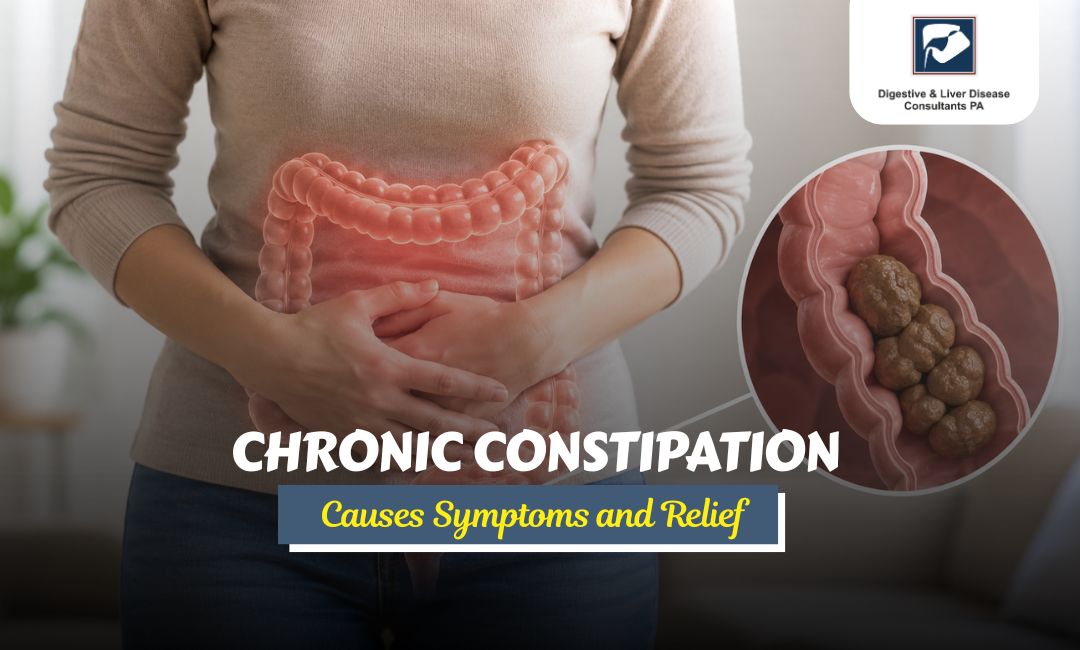
Constipation is one of the most common digestive health concerns affecting people of all ages. While occasional constipation is normal, chronic constipation can interfere with daily life, cause discomfort, and sometimes signal an underlying digestive disorder. Many people ignore the early signs until symptoms become severe, leading to long-term bowel movement problems and complications.
Understanding the causes, symptoms, and treatment options for chronic constipation can help improve gut health and overall well-being. Simple lifestyle changes, proper hydration, dietary adjustments, and medical guidance can make a significant difference in managing constipation effectively.
What Is Chronic Constipation?
Chronic constipation refers to infrequent bowel movements or difficulty passing stools that continues for several weeks or longer. Most doctors consider constipation chronic when a person experiences symptoms for more than three months.
People with chronic constipation may experience:
• Fewer than three bowel movements per week
• Hard or dry stools
• Straining during bowel movements
• Feeling of incomplete emptying
• Abdominal bloating or discomfort
• Pain while passing stools
Constipation can affect work, sleep, appetite, and emotional health. Persistent symptoms should never be ignored because they may indicate digestive disorders that require medical evaluation.
Chronic Constipation Causes
Several factors can contribute to chronic constipation. In many cases, multiple causes work together to slow bowel movements.
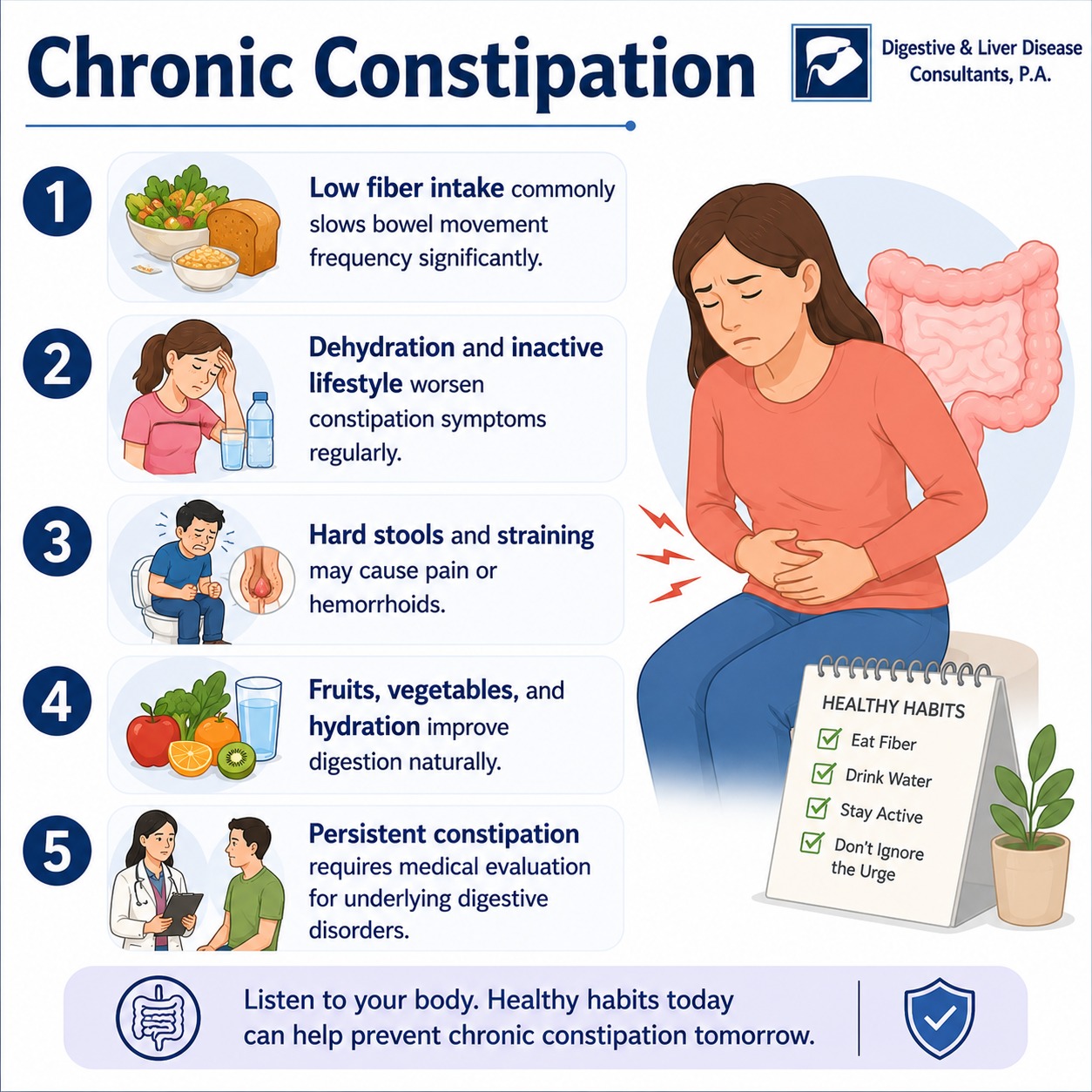
Low Fiber Diet
One of the most common chronic constipation causes is insufficient fiber intake. Fiber adds bulk to stool and helps it move smoothly through the intestines.
People who eat excessive processed foods, fast foods, and refined carbohydrates often experience constipation due to lack of dietary fiber.
Foods low in fiber include:
• White bread
• Processed snacks
• Fried foods
• Sugary desserts
• Fast food meals
Dehydration and Constipation
Water plays a major role in maintaining healthy bowel movements. Dehydration causes stools to become hard and dry, making them difficult to pass.
Many people drink insufficient water throughout the day, especially those consuming excessive caffeine or alcohol. This can worsen constipation symptoms significantly.
Sedentary Lifestyle
Physical activity stimulates intestinal movement. Lack of exercise can slow digestion and contribute to bowel movement problems.
People who sit for long hours, work desk jobs, or have limited physical activity are more likely to develop chronic constipation.
Ignoring the Urge to Pass Stool
Regularly delaying bowel movements can weaken the natural signals between the brain and intestines. Over time, stools become harder and more difficult to pass.
Medications
Certain medications may trigger constipation, including:
• Pain medications
• Iron supplements
• Antidepressants
• Blood pressure medications
• Antacids containing calcium or aluminum
IBS Constipation Symptoms
Irritable Bowel Syndrome with constipation, also called IBS-C, is another common cause of chronic constipation. IBS affects the communication between the brain and the digestive tract, leading to symptoms such as:
• Abdominal pain
• Cramping
• Bloating
• Gas
• Irregular bowel movements
Hormonal and Medical Conditions
Several medical conditions can slow digestion and cause constipation, including:
• Diabetes
• Thyroid disorders
• Parkinson’s disease
• Pregnancy
• Colon disorders
Common Constipation Symptoms
Recognizing constipation symptoms early can help prevent complications. Symptoms vary from person to person but commonly include:
Hard Stools
Dry, hard stools are often difficult and painful to pass.
Straining During Bowel Movements
Excessive straining may increase the risk of hemorrhoids and anal fissures.
Abdominal Bloating
Constipation often causes bloating and a feeling of fullness in the stomach.
Incomplete Emptying
Many people feel that the bowel does not empty completely after using the restroom.
Reduced Appetite
Constipation can slow digestion and reduce hunger.
Fatigue and Discomfort
Chronic digestive discomfort may affect daily energy levels and concentration.
Severe Constipation Warning Signs
While most constipation cases improve with lifestyle changes, some symptoms require immediate medical attention.
Seek medical care if constipation is associated with:
• Blood in stools
• Unexplained weight loss
• Severe abdominal pain
• Vomiting
• Sudden constipation in older adults
• Persistent constipation lasting several weeks
• Pencil-thin stools
• Fever with constipation
These severe constipation warning signs may indicate underlying digestive conditions that need prompt evaluation.
Constipation Relief Tips
Many people can improve symptoms with simple daily habits. Consistency is key when managing chronic constipation.
Increase Fiber Intake
Fiber for constipation relief is highly effective because it softens stools and improves bowel movement frequency.
High-fiber foods include:
• Fruits
• Vegetables
• Whole grains
• Oats
• Beans
• Lentils
• Chia seeds
• Flaxseeds
Adults should aim for adequate daily fiber intake to support healthy digestion.
Foods for Constipation Relief
Certain foods naturally help stimulate bowel movements and improve gut health.
Helpful foods include:
• Papaya
• Prunes
• Apples
• Pears
• Spinach
• Broccoli
• Yogurt with probiotics
• Brown rice
• Kiwi fruit
Including these foods regularly may support digestive health constipation management naturally.
Stay Hydrated
Proper hydration softens stools and improves intestinal movement. Drinking enough water daily is essential for constipation relief.
Warm fluids such as herbal tea or warm lemon water may also help stimulate bowel movements.
Exercise Regularly
Physical activity supports healthy digestion by improving intestinal muscle movement.
Simple exercises include:
• Walking
• Yoga
• Cycling
• Stretching
• Swimming
Even 20 to 30 minutes of daily exercise can help relieve constipation.
Establish a Bathroom Routine.
Using the restroom at the same time every day trains the body for regular bowel movements.
Many people find mornings after breakfast ideal because digestion is naturally more active at that time.
Natural Remedies for Constipation
Several natural remedies may help improve bowel regularity safely.
Probiotics
Healthy gut bacteria play a major role in digestion. Probiotics found in yogurt and fermented foods may improve bowel habits.
Warm Water in the Morning
Drinking warm water after waking up may stimulate intestinal movement naturally.
Healthy Sleep Routine
Poor sleep may disrupt digestive function and worsen constipation symptoms.
Stress Management
Stress affects gut health and constipation by altering digestive system activity. Relaxation techniques such as meditation and deep breathing may help improve symptoms.
Persistent Constipation Treatment
If lifestyle changes do not improve symptoms, medical evaluation is important. Doctors may recommend:
• Stool softeners
• Fiber supplements
• Laxatives
• Prescription medications
• Colon evaluation tests
• Imaging studies
Treatment depends on the underlying cause of constipation.
People experiencing chronic symptoms should avoid excessive self-medication because overuse of laxatives may worsen bowel function over time.
Constipation Lifestyle Changes for Long-Term Relief
Long-term digestive health requires consistent healthy habits.
Important constipation lifestyle changes include:
• Eating balanced meals regularly
• Increasing fruits and vegetables
• Drinking enough water daily
• Exercising consistently
• Avoiding excessive processed foods
• Managing stress levels
• Responding promptly to bowel urges
These habits help support healthy digestion and reduce the risk of recurring constipation.
When Constipation Is Serious
Many people wonder when constipation is serious enough to seek medical help. Constipation should not be ignored if it becomes frequent, painful, or associated with alarming symptoms.
Medical evaluation is recommended if:
• Symptoms persist despite lifestyle changes
• Constipation affects quality of life
• There is severe abdominal pain
• Bowel habits suddenly change
• There is rectal bleeding
• Unexplained fatigue or weight loss occurs
Early diagnosis helps identify digestive conditions before complications develop.
Why Choose Digestive & Liver Disease Consultants, P.A.?
Digestive & Liver Disease Consultants, P.A. provides expert care for a wide range of digestive disorders, including chronic constipation, IBS, acid reflux, liver diseases, inflammatory bowel disease, and colorectal conditions.
Patients benefit from:
• Experienced gastroenterology specialists
• Advanced diagnostic technology
• Personalized treatment plans
• Comprehensive digestive care
• Patient-focused approach
• Preventive digestive health guidance
• Modern treatment options for chronic bowel disorders
The team focuses on identifying the root cause of symptoms and creating individualized treatment plans that improve long-term digestive health and quality of life.
Conclusion
Chronic constipation is more than an occasional inconvenience. It can affect physical comfort, emotional well-being, and overall digestive health. Understanding chronic constipation causes, recognizing constipation symptoms early, and making healthy lifestyle changes can help improve bowel function naturally.
Simple steps such as increasing fiber intake, staying hydrated, exercising regularly, and seeking timely medical care can provide effective constipation relief and prevent complications. Persistent or severe symptoms should always be evaluated by a digestive health specialist to identify any underlying medical conditions.
If you are experiencing ongoing bowel movement problems, abdominal discomfort, or severe constipation warning signs, the specialists at Digestive & Liver Disease Consultants, P.A. can help you find lasting relief and restore your digestive wellness.