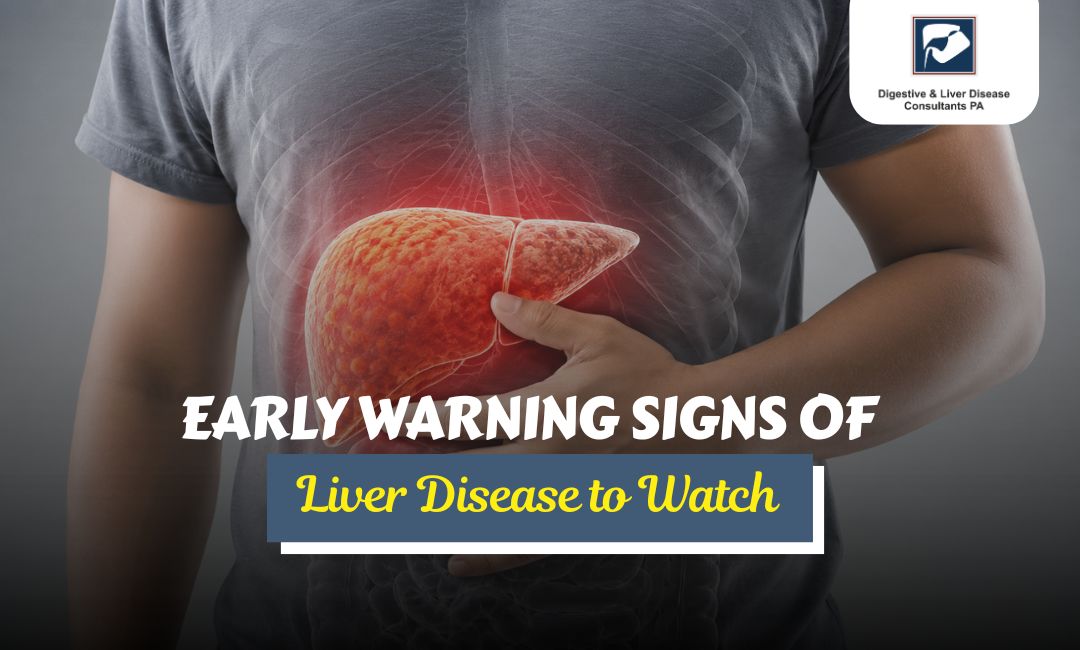
The liver is one of the most resilient organs in the human body, but it is not invincible. From filtering toxins in the blood to producing bile for digestion and regulating metabolism, your liver is constantly at work. Because it compensates so effectively, liver disease symptoms often go unnoticed until significant damage has already occurred. Understanding the early signs of liver disease gives you and your care team the chance to act before problems become irreversible.
Why Liver Health Deserves Attention?
Millions of people worldwide live with some form of liver disorder, including fatty liver disease, hepatitis, alcoholic liver disease, and cirrhosis, without knowing it. Liver problems are increasingly common due to rising rates of obesity, type 2 diabetes, excessive alcohol consumption, and viral infections. Identifying liver damage signs early gives patients significantly better outcomes and more treatment options.
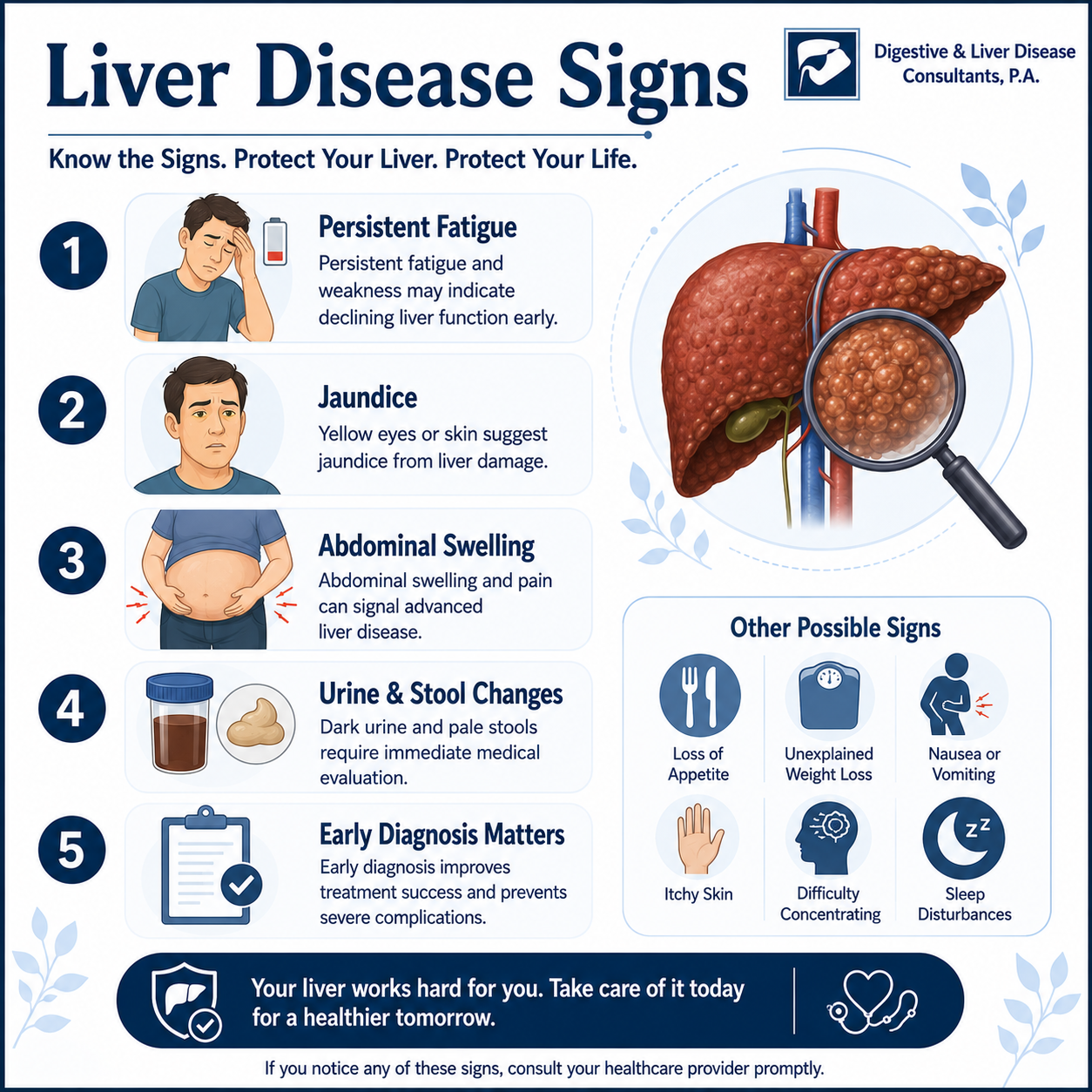
10 Early Warning Signs of Liver Disease
The following liver disease symptoms should never be dismissed as routine tiredness or minor digestive complaints:
Chronic Fatigue & Weakness
Persistent, unexplained fatigue that sleep does not relieve is one of the earliest and most common signs of abnormal liver function. When the liver cannot efficiently filter toxins, they accumulate and affect energy levels.
Jaundice (Yellow Skin & Eyes)
Jaundice symptoms occur when bilirubin builds up in the blood. If you notice a yellowish tint in the whites of your eyes or on your skin, seek medical evaluation promptly as it signals liver inflammation or blockage.
Abdominal Swelling
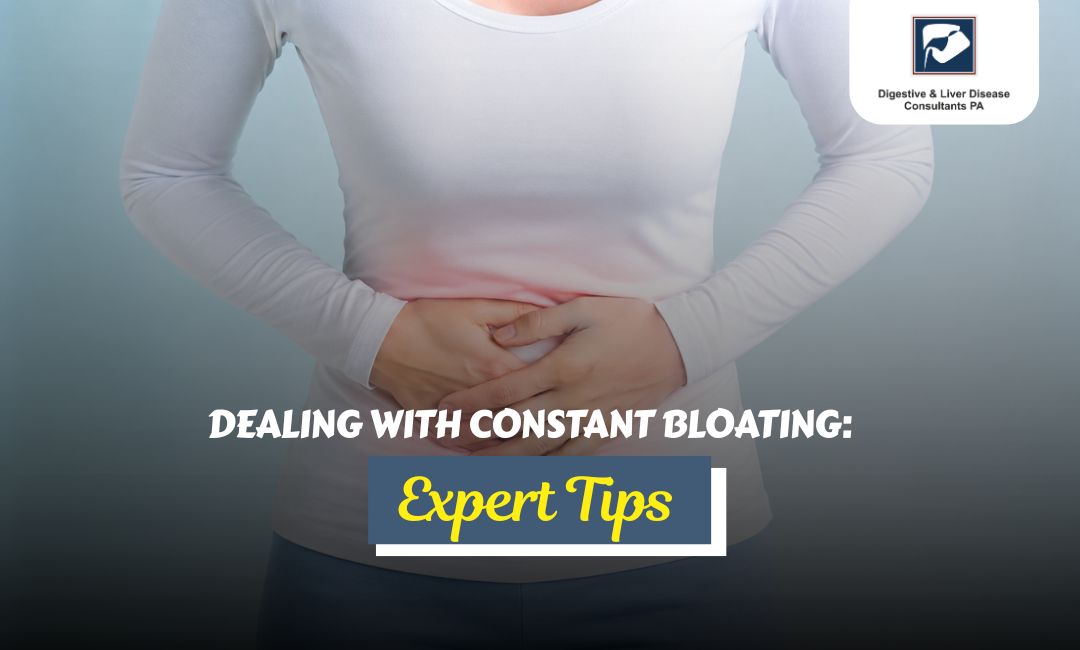
A swollen abdomen or bloating that is not linked to diet may indicate ascites, a buildup of fluid caused by liver damage. Abdominal swelling combined with discomfort on the upper right side can point to liver pain or inflammation.
Dark Urine Symptoms
Urine that appears dark brown or tea-colored without an obvious cause like dehydration can signal that excess bilirubin is being processed by the kidneys, a sign of liver stress.
Itchy Skin (Liver Disease)
Itchy skin related to liver disease happens when bile salts accumulate under the skin due to poor bile flow. This can present as persistent, widespread itching without a visible rash.
Nausea and Liver Disease
Ongoing nausea, vomiting, or a reduced appetite can be associated with liver disease. When liver function declines, digestive health is closely affected, leading to discomfort after meals.
Pale or Bloody Stools
Pale, clay-colored stools indicate a lack of bile, while dark or tar-like stools may suggest internal bleeding, both of which are serious liver disorder symptoms requiring urgent attention.
Easy Bruising or Bleeding
The liver produces clotting proteins. When liver function is compromised, patients bruise easily or experience prolonged bleeding from minor cuts, a warning sign of deteriorating liver health.
Mental Confusion or Brain Fog
Hepatic encephalopathy occurs when toxins build up in the bloodstream and affect brain function. Signs of liver failure may include confusion, forgetfulness, difficulty concentrating, or mood changes.
Unexplained Weight Loss
Sudden, unintentional weight loss can be a liver infection sign or an early indicator of advanced liver disease, including cirrhosis symptoms or liver cancer, and should be evaluated promptly.
Understanding Common Liver Conditions
Recognizing the type of liver disease you may be facing helps guide proper treatment:
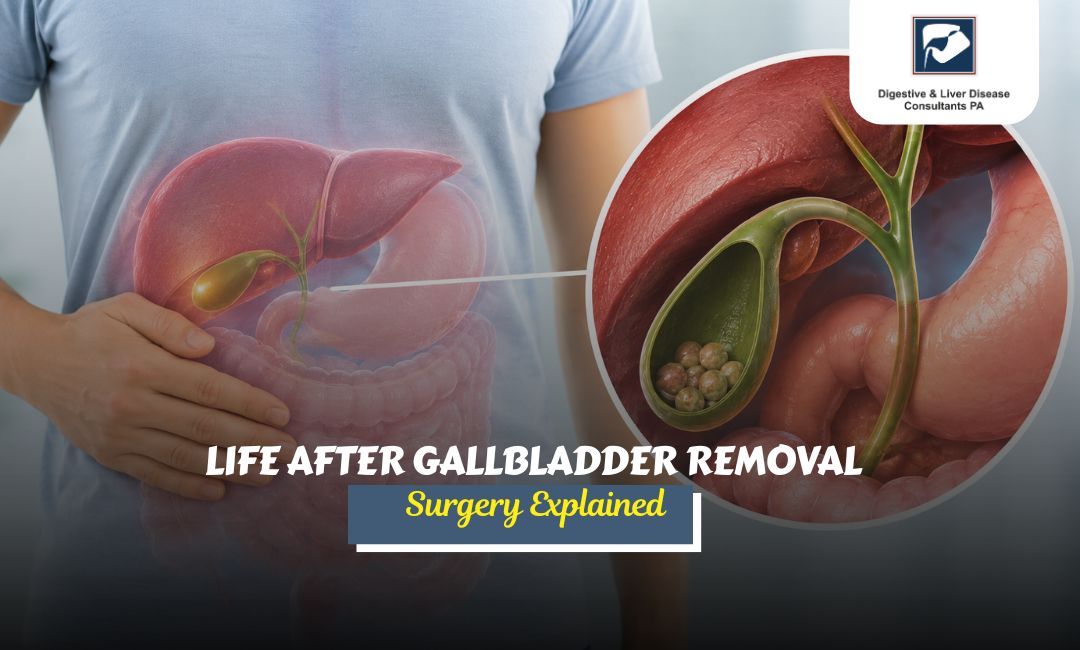
Fatty liver disease: Nonalcoholic fatty liver disease (NAFLD) is now the most common liver disorder in the world. It often produces no symptoms initially but can progress to serious liver inflammation and scarring if left untreated.
Hepatitis symptoms: Viral hepatitis (A, B, or C) causes liver inflammation and can lead to chronic liver disease. Symptoms include fatigue, jaundice, dark urine, and abdominal discomfort.
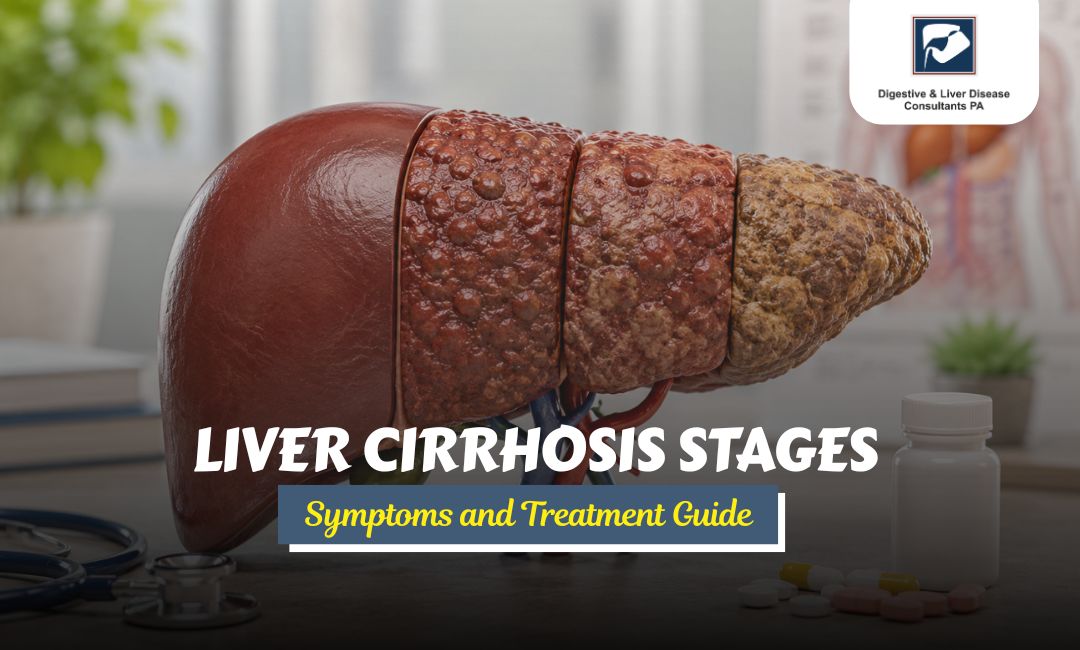
Cirrhosis symptoms: Cirrhosis is irreversible scarring of the liver tissue, often the result of long-standing hepatitis or alcohol-related liver disease. Early cirrhosis may be silent; advanced stages cause significant signs of liver failure.
Alcohol-related liver disease: Excessive and prolonged alcohol use is a leading cause of liver damage signs. It progresses through fatty liver, alcoholic hepatitis, and eventually cirrhosis.
Liver Care Tips: How to Protect Your Liver
Adopting healthy liver tips now can prevent damage before it starts or slow the progression of existing liver conditions:
- Limit or eliminate alcohol consumption to reduce your risk of alcohol-related liver disease.
- Maintain a healthy weight to prevent fatty liver disease and reduce liver inflammation.
- Stay up to date on hepatitis A and B vaccinations.
- Eat a liver-friendly diet rich in vegetables, whole grains, and lean protein while avoiding processed and fried foods.
- Avoid sharing needles or personal hygiene items to prevent hepatitis transmission.
- Be cautious with over-the-counter medications, particularly acetaminophen, which can harm the liver in high doses.
- Schedule regular screenings if you have risk factors such as family history, diabetes, or obesity.
- Stay physically active to support a healthy weight and improve liver wellness overall.
Why Choose Digestive & Liver Disease Consultants, P.A.?
When it comes to your liver health, specialized care matters. Digestive & Liver Disease Consultants, P.A. brings together a team of board-certified gastroenterologists and hepatologists dedicated exclusively to diagnosing and treating complex digestive and liver conditions.
Board-certified specialists
Expert hepatologists with years of dedicated liver care experience
Advanced diagnostics
State-of-the-art liver function testing, imaging, and biopsy services
Personalized care plans
Tailored treatment for fatty liver, hepatitis, cirrhosis, and more
Multidisciplinary approach
Coordinated care across gastroenterology, nutrition, and liver wellness
Timely appointments
Prompt evaluation so concerns are addressed without delay
Trusted patient outcomes
A proven track record of improving digestive and liver health
Whether you are experiencing early liver disease symptoms or managing a chronic liver disorder, our team provides the compassionate, evidence-based care your health deserves. We are committed to your liver wellness at every stage of your journey.
Conclusion
Your liver works around the clock to keep you healthy, and it deserves your attention in return. The early warning signs of liver disease are easy to overlook but critical to catch. Chronic fatigue, jaundice symptoms, dark urine, abdominal swelling, itchy skin, and unexplained weight loss are all signals your body sends when something is wrong with liver function.
By understanding liver damage signs and following healthy liver tips, you take a proactive step toward protecting your liver and your overall health. Conditions like fatty liver disease, hepatitis, and alcohol-related liver disease are manageable, especially when identified and treated early.
Do not ignore what your body is telling you. The earlier liver disease treatment begins, the greater your chances of a full recovery and long-term liver wellness.