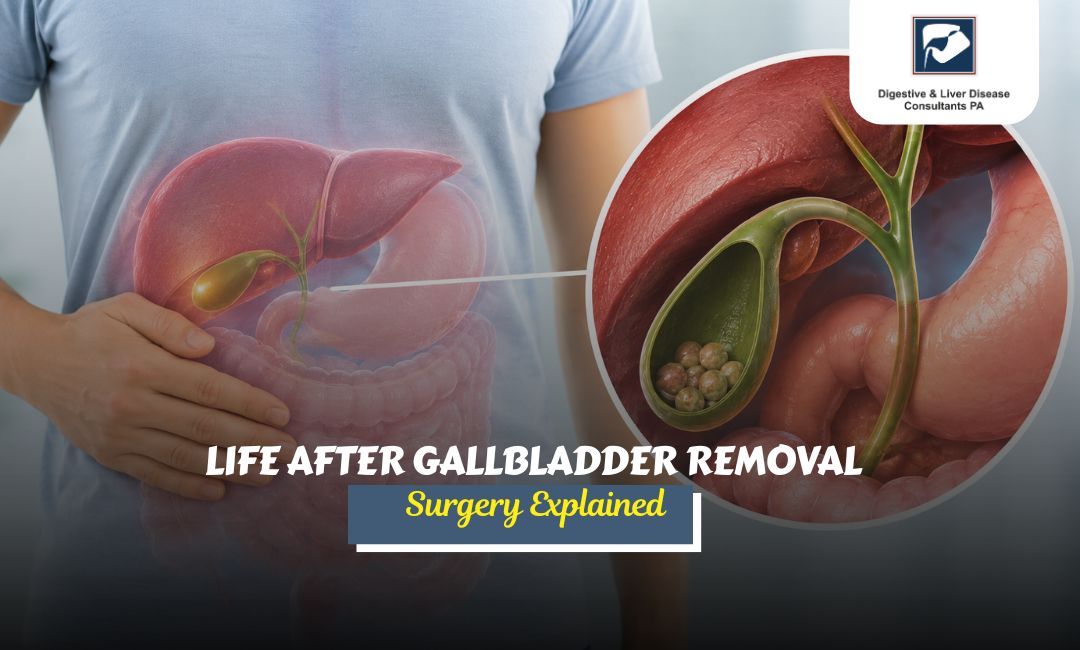
Undergoing gallbladder surgery, medically known as a cholecystectomy, is a highly common and effective treatment for painful gallstones and chronic inflammation. Because the gallbladder plays a specific role in storing bile, it is completely normal to wonder what your daily health, routine, and digestive habits will look like once it is gone.
The good news is that you can lead a completely healthy, vibrant, and normal life without a gallbladder. However, your body requires an adjustment period to transition its digestive processes. Understanding this transition is the best way to ensure a smooth, comfortable recovery.
Take control of your digestive health today. Book a consultation with our best digestive specialists at Digestive & Liver Disease Consultants, P.A
Understanding Your New Digestive System
To appreciate what happens during gallbladder surgery recovery, it helps to understand exactly what has changed inside your body.
Your liver continuously produces bile, a digestive fluid essential for breaking down fats. Before your surgery, the gallbladder acted as a storage reservoir for this bile. When you ate a high-fat or heavy meal, the gallbladder contracted, squeezing a concentrated burst of bile into your small intestine to help process the fat.
Living without a gallbladder means you no longer have that holding tank. Instead, your liver continuously drips bile directly into the small intestine in a constant, less concentrated trickle. When you consume a heavy or fatty meal, there is no longer a large reserve of bile available to digest it all at once. This shift is the primary reason why specialized dietary care and realistic expectations regarding digestion after gallbladder surgery are so vital during your early recovery weeks.
The Immediate Laparoscopic Gallbladder Surgery Recovery
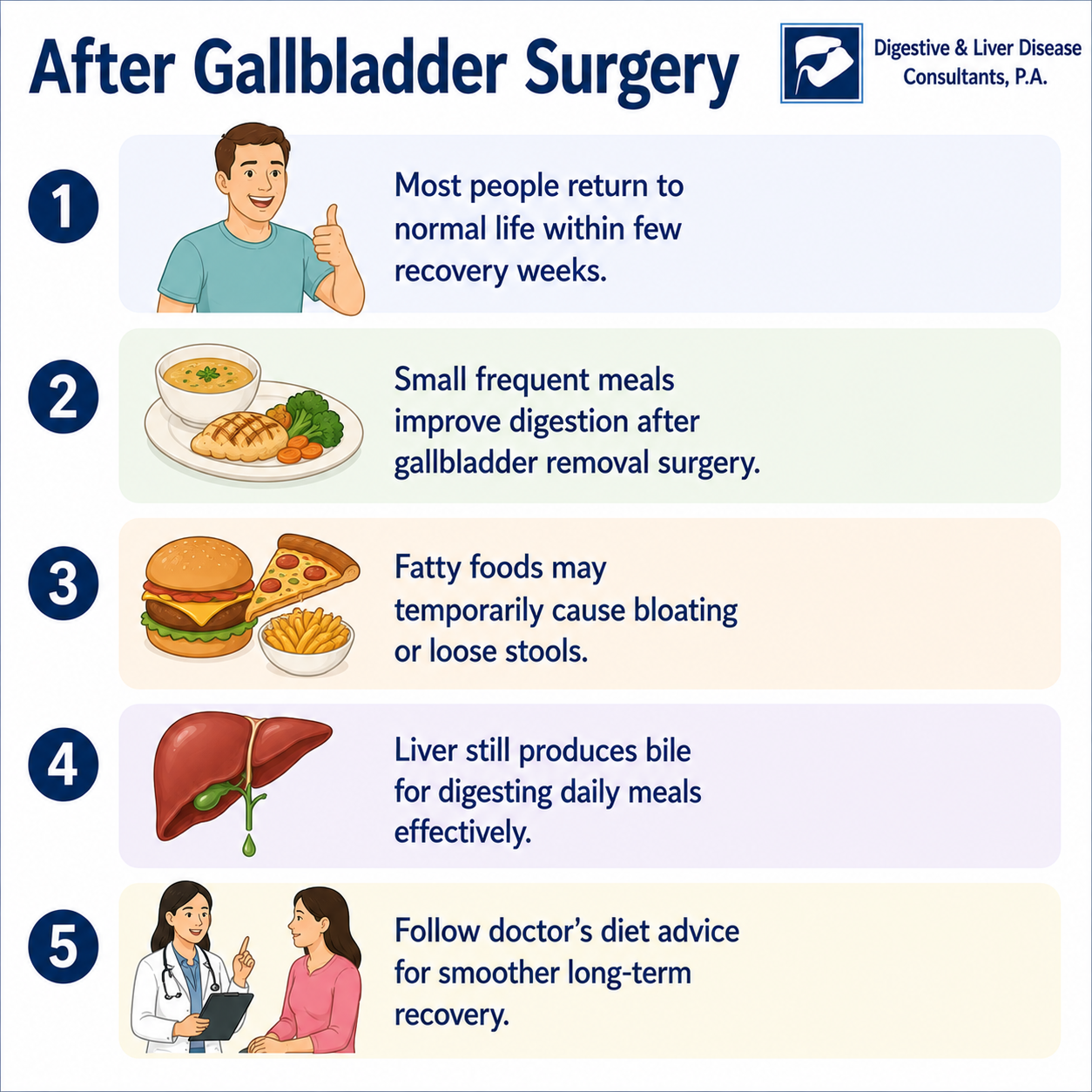
Most modern gallbladder removals are performed as laparoscopic gallbladder surgery recovery processes, which use small, minimally invasive incisions. This technique significantly shortens your overall downtime compared to traditional open surgery.
The First Few Days: You can expect some mild localized soreness around the incision sites. Many patients also report temporary shoulder pain. This is caused by the carbon dioxide gas used during the laparoscopic procedure to inflate the abdomen, and it naturally dissipates within a few days as you walk around.
Activity Levels: Gentle walking is highly encouraged immediately after surgery to stimulate blood circulation and keep your bowels moving. However, you must strictly avoid heavy lifting, strenuous workouts, or vigorous twisting of your core for at least two to four weeks, or until your specialist clears you.
Return to Routine: Most individuals recovering from a laparoscopic procedure find they can comfortably return to light desk work and daily household activities within one to two weeks.
Gallbladder Removal Side Effects and Bowel Changes
As your digestive tract adapts to the constant trickle of bile, you may experience a few temporary gallbladder removal side effects. Recognizing these symptoms early allows you to manage them without unnecessary anxiety.
The most frequent complaint during recovery after gallbladder surgery is irregular bowel movements. Because bile flows directly into the small intestine, it can sometimes act as a natural laxative, moving food through your tract much faster than usual.
Common bowel changes after gallbladder removal include:
- Frequent, loose, or watery stools, particularly after eating rich foods
- Mild abdominal bloating, cramping, and gas production
- Feelings of fullness or indigestion after standard meals
For the vast majority of people, these side effects are temporary and gradually resolve over several weeks as the liver and intestines learn to balance the new digestive flow.
Navigating Post Cholecystectomy Syndrome
In a small percentage of cases, mild digestive disruptions can persist for months or even years after the procedure. This ongoing pattern of symptoms is known as post cholecystectomy syndrome.
Patients experiencing this syndrome may notice recurring bouts of diarrhea, flatulence, nausea, or upper abdominal discomfort similar to the pains they felt prior to surgery. If you experience these prolonged symptoms, it does not mean your surgery failed. It simply means your gastrointestinal tract requires advanced medical management, specialized dietary tailoring, or targeted medications to regulate bile acid absorption and restore internal balance.
Your Gallbladder Removal Diet Plan
What you choose to eat during your recovery plays a massive role in how comfortable you feel. Implementing a structured diet after gallbladder removal gives your digestive organs the breathing room they need to recalibrate.
The following dietary strategy will help you successfully navigate your new digestive reality.
Foods to Avoid After Gallbladder Surgery
For the first four to six weeks following your procedure, you should strictly avoid foods that demand a high volume of bile to digest. Eliminating these items prevents severe cramping, nausea, and sudden diarrhea.
- Fried and Greasy Foods: French fries, fried chicken, potato chips, and heavily battered foods.
- High-Fat Meats: Sausage, bacon, ribs, heavily marbled steaks, and processed meats.
- Full-Fat Dairy Products: Whole milk, heavy cream, butter, full-fat cheeses, and ice cream.
- Heavy Gravies and Cream Sauces: Alfredo sauce, thick meat gravies, and oil-heavy salad dressings.
- Excessive Sugars and Spices: Highly processed pastries and intensely spicy dishes can irritate a sensitive, recovering GI tract.
What to Include in Your Daily Meals?
Focus your meals around clean, easily digestible options that place minimal stress on your liver and intestines.
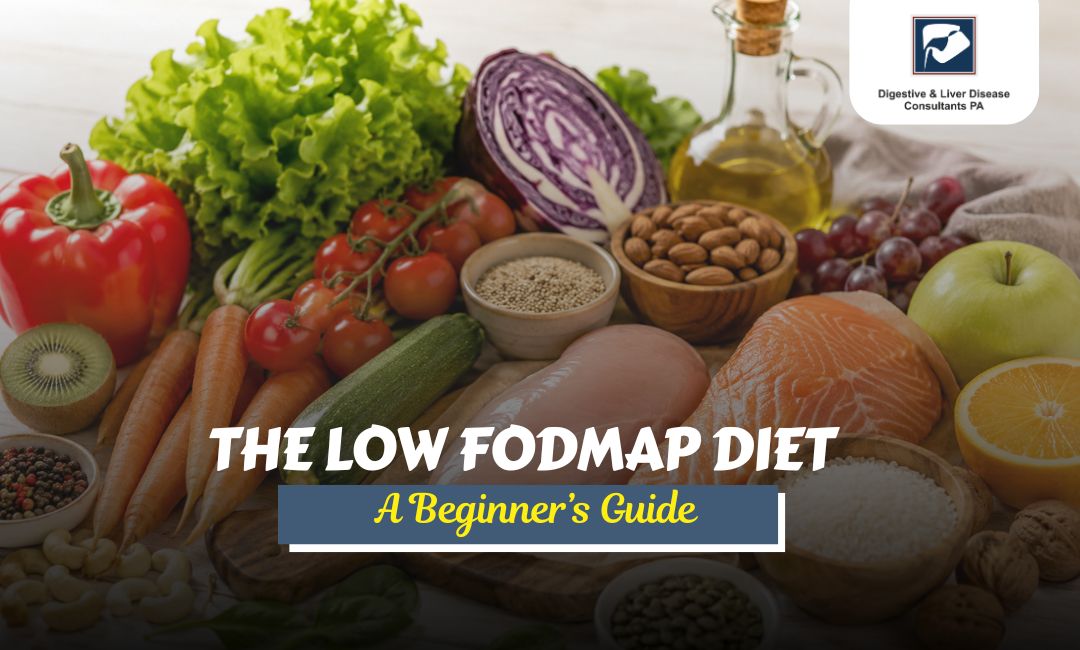
- Lean Proteins: Skinless chicken breast, turkey, white fish, tofu, and egg whites.
- Soluble Fiber: Oatmeal, barley, rice, bananas, and sweet potatoes help absorb excess bile and firm up loose stools.
- Small, Balanced Portions: Eating five or six small meals throughout the day, rather than three large, heavy ones, ensures your continuous trickle of bile can easily handle the food passing through.
Gallbladder Surgery Complications to Watch For
While a cholecystectomy is exceptionally safe, it remains a major surgical procedure. Being aware of potential gallbladder surgery complications allows you to seek medical attention if something is amiss.
Contact your healthcare provider immediately if you experience any of the following warning signs:
- A fever rising above 101 degrees Fahrenheit
- Sharp, severe, or worsening abdominal pain that is not relieved by prescribed medication
- Persistent, uncontrollable vomiting or severe nausea
- Yellowing of your skin or the whites of your eyes, which may indicate a bile duct issue
- Worsening redness, swelling, or foul-smelling drainage around your incision wounds
Why Choose Digestive & Liver Disease Consultants, P.A.?
Managing your digestive health after surgery should never be a guessing game. Partnering with a dedicated medical team guarantees that your long-term recovery is smooth, painless, and completely optimized for your lifestyle.
At Digestive & Liver Disease Consultants, P.A., our board-certified gastroenterologists and advanced clinical team provide comprehensive, expert care tailored precisely to your unique needs. We understand that your recovery journey does not end when you leave the operating room.
Our practice offers specialized post-surgical support, targeted nutritional guidance, and expert medical therapies for complex concerns like post cholecystectomy syndrome. With three convenient locations across North Houston, Humble, and The Woodlands, we make it simple and stress-free to access top-tier gastrointestinal care right in your community. We are entirely committed to helping you achieve total comfort and optimal digestive wellness at every stage of your life.
Conclusion
Living without a gallbladder does not mean living with constant digestive discomfort. By giving your body a few weeks to adjust, introducing a mindful gallbladder removal diet plan, and closely monitoring your early recovery, you can return to enjoying your favorite activities and foods with complete confidence. Your body is highly adaptable, and with the right care, your digestive system will quickly find its new normal.
Take control of your digestive health today. Book a consultation with our best digestive specialists at Digestive & Liver Disease Consultants, P.A., and let our dedicated team design a personalized recovery plan that works perfectly for your body.