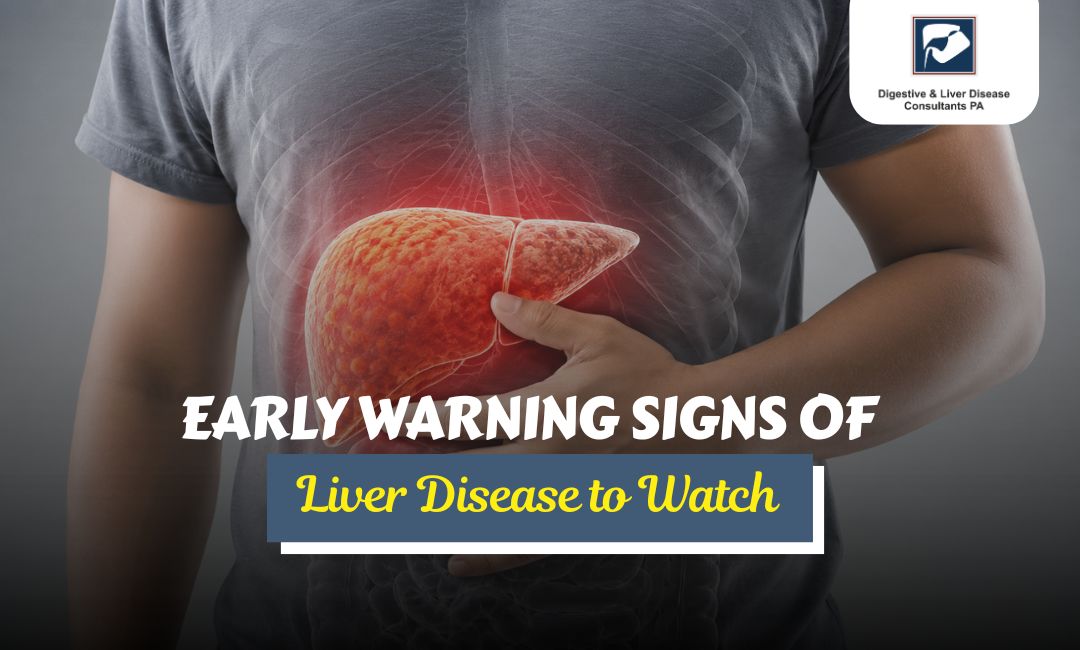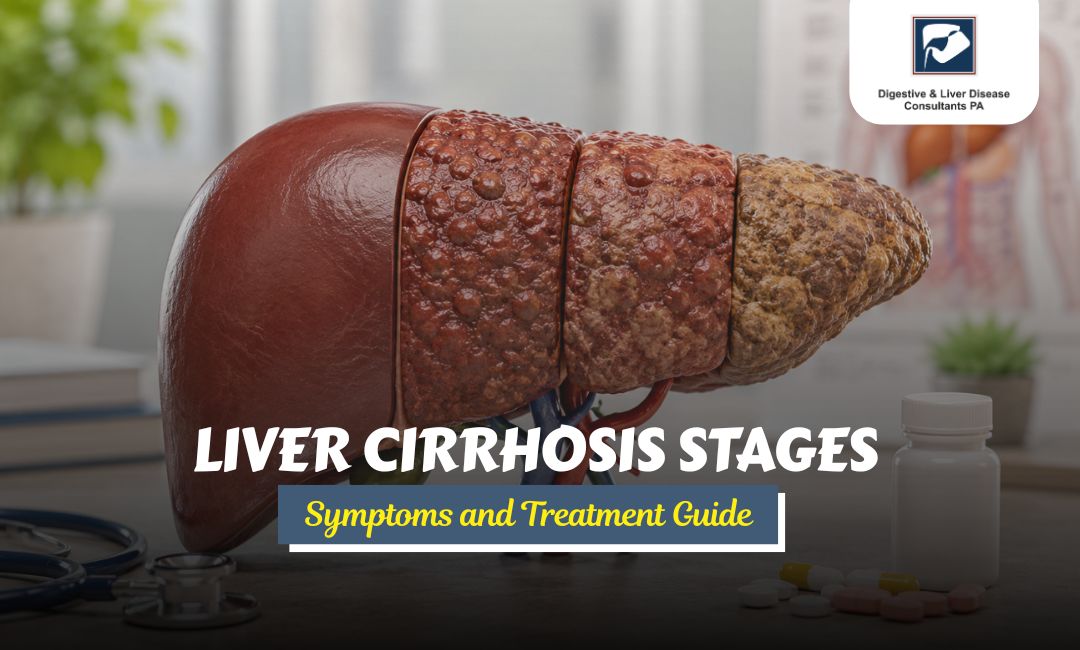
The liver is one of the most important organs in the human body. It helps remove toxins, supports digestion, stores energy, and regulates many essential body functions. When the liver becomes damaged over a long period, healthy tissue is slowly replaced by scar tissue. This condition is called liver cirrhosis.
Cirrhosis develops gradually and may not show symptoms in the beginning. Many people ignore the early signs until the disease becomes advanced. Understanding liver cirrhosis stages, symptoms, causes, and treatment options can help patients seek timely medical care and prevent severe complications.
At Digestive & Liver Disease Consultants, P.A., our experienced gastroenterologists and liver specialists provide comprehensive care for patients with chronic liver disease using advanced diagnostic and treatment approaches.
What is liver cirrhosis?
Liver cirrhosis is a long-term condition in which the liver becomes permanently scarred. Scar tissue blocks normal blood flow through the liver and affects its ability to function properly. Over time, the liver loses its ability to process nutrients, hormones, medications, and toxins effectively.
Cirrhosis is considered the final stage of chronic liver disease. It may develop due to several conditions including alcohol related cirrhosis, hepatitis infections, fatty liver disease, autoimmune liver disorders, and metabolic diseases.
Common Causes of Liver Cirrhosis
Several health conditions can lead to liver damage and cirrhosis.
Fatty Liver Disease
Non-alcoholic fatty liver disease is becoming one of the leading causes of cirrhosis worldwide. Excess fat accumulation in the liver can cause inflammation and long-term scarring. Many patients progress from fatty liver to cirrhosis without noticeable symptoms.
Alcohol-Related Liver Disease
Heavy alcohol consumption over many years damages liver cells and leads to alcohol-related cirrhosis. Continuous drinking increases inflammation and fibrosis inside the liver.
Chronic Hepatitis B and Hepatitis C
Viral hepatitis infections can slowly damage liver tissue over decades and eventually cause cirrhosis or liver cancer.
Autoimmune Liver Diseases
Some conditions cause the immune system to attack the liver, leading to inflammation and scarring.
Genetic and Metabolic Disorders
Inherited diseases like Wilson’s disease or hemochromatosis may also contribute to chronic liver disease.
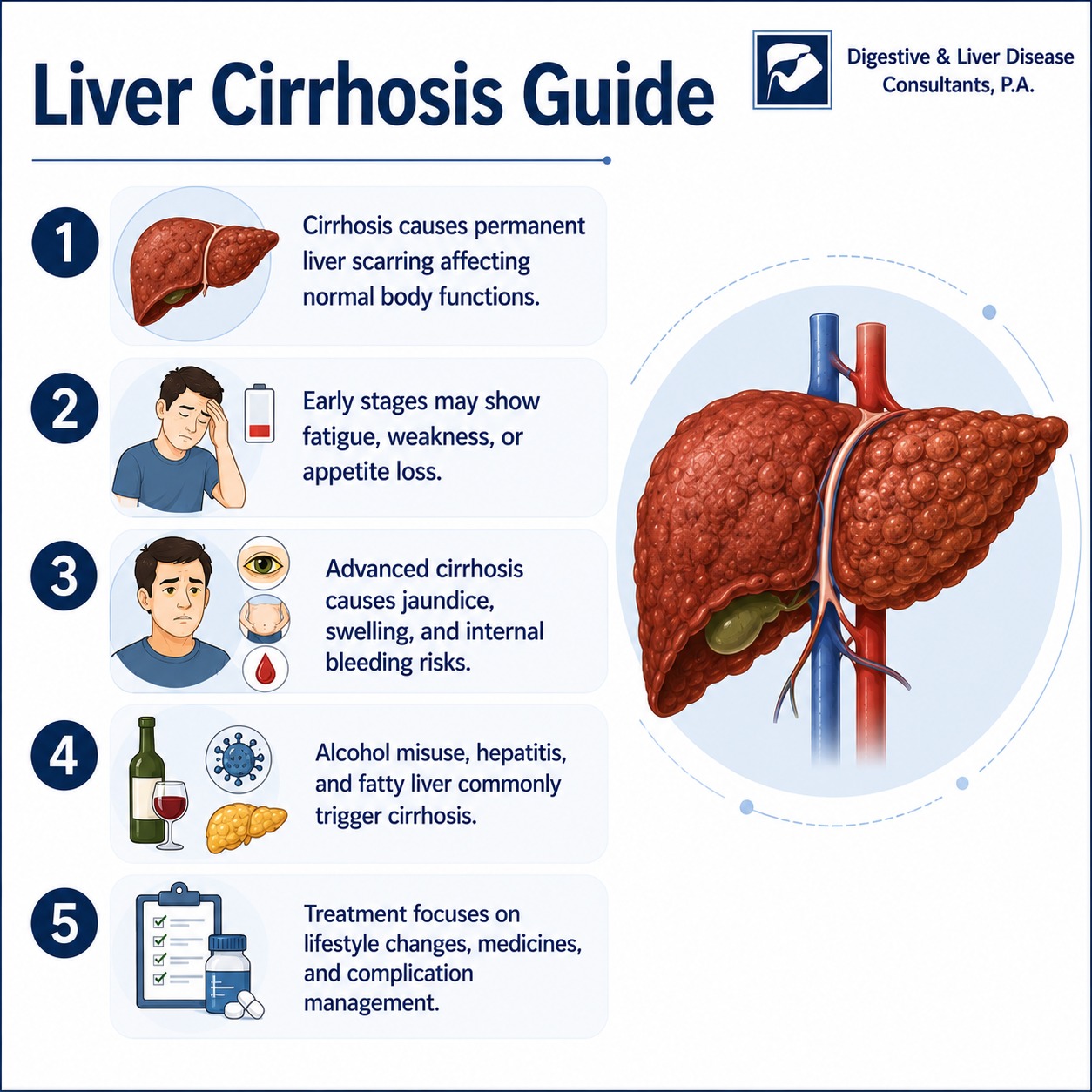
Liver Fibrosis Stages and Cirrhosis Progression
Doctors classify liver damage based on liver fibrosis stages. Fibrosis refers to the buildup of scar tissue in the liver.
Stage 1 fibrosis
Mild inflammation and minimal scarring are present. Liver function remains mostly normal.
Stage 2 Fibrosis
Scar tissue begins spreading, but the liver can still perform many functions effectively.
Stage 3 Fibrosis
Significant scarring develops and blood flow through the liver becomes restricted.
Stage 4 Cirrhosis
This is advanced liver scarring where the liver structure becomes severely damaged. At this stage, patients may develop complications and liver failure warning signs.
Understanding liver cirrhosis stages helps doctors determine the severity of disease and guide appropriate treatment plans.
Early Signs of Cirrhosis
Many patients do not experience symptoms during the early stages of liver disease. However, some warning signs may include:
- Fatigue and weakness
- Loss of appetite
- Unexplained weight loss
- Mild abdominal discomfort
- Nausea
- Easy bruising
- Itchy skin
- Swelling in legs or ankles
Recognizing these early signs of cirrhosis is essential because timely treatment may slow disease progression.
Advanced Liver Disease Symptoms
As cirrhosis progresses, symptoms become more severe and noticeable.
Jaundiced
Yellowing of the skin and eyes occurs due to increased bilirubin levels. Jaundice and liver disease are closely connected.
Abdominal Swelling
Fluid buildup in the abdomen, called ascites, is a common cirrhosis complication.
Portal Hypertension
Scar tissue blocks blood flow through the liver, increasing pressure in the portal vein. Common portal hypertension symptoms include enlarged veins, swelling, and internal bleeding risks.
Confusion and Memory Problems
Toxin buildup in the bloodstream may affect brain function, causing hepatic encephalopathy.
Gastrointestinal Bleeding
Enlarged veins in the esophagus or stomach may rupture and cause life threatening bleeding.
Severe Fatigue
Advanced liver disease symptoms often include extreme weakness and reduced energy levels.
Dark Urine and Pale Stools
Changes in bile flow can alter urine and stool color.
Cirrhosis Complications
If left untreated, liver cirrhosis can lead to serious complications, including:
- Liver failure
- Internal bleeding
- Liver cancer
- Severe infections
- Kidney dysfunction
- Malnutrition
- Breathing difficulties
- Mental confusion and coma
Early diagnosis and proper management are essential to reduce these risks.
Cirrhosis Diagnosis Tests
Doctors use several cirrhosis diagnosis tests to evaluate liver health and determine disease severity.
Blood Tests
Liver function tests help measure enzyme levels, bilirubin, albumin, and clotting function.
Imaging Scans
Ultrasound, CT scans, and MRI scans help identify liver scarring, swelling, or tumors.
FibroScan
This specialized test measures liver stiffness and fibrosis levels noninvasively.
Liver Biopsy
A small liver tissue sample may be collected to confirm cirrhosis and identify the cause.
Endoscopy
Doctors may check for enlarged veins in the esophagus caused by portal hypertension.
Liver Cirrhosis Treatment Options
Although cirrhosis scarring cannot always be reversed, treatment can slow progression, reduce symptoms, and improve quality of life.
Managing Liver Cirrhosis
Effective management focuses on treating the underlying cause and preventing complications.
Lifestyle Changes
Patients are often advised to:
- Stop alcohol consumption completely.
- Follow a healthy low-sodium diet.
- Maintain a healthy weight.
- Control diabetes and cholesterol.
- Exercise regularly
- Avoid smoking.
- Medications
Doctors may prescribe medications to:
- Reduce inflammation
- Manage fluid buildup
- Lower portal hypertension
- Prevent infections
- Control itching and nausea
- Treatment for Viral Hepatitis
Antiviral medications can help slow liver damage caused by hepatitis B or C.
Nutritional Support
Patients with chronic liver disease often require nutritional counseling to maintain proper vitamin and protein intake.
Liver Transplant
For severe liver failure, a liver transplant may become necessary. Transplant surgery can significantly improve survival in advanced cirrhosis cases.
Can Liver Cirrhosis Be Prevented?
Many causes of cirrhosis are preventable with healthy lifestyle choices and early medical care.
Here are some prevention tips:
- Limit alcohol intake
- Maintain a healthy body weight
- Get vaccinated for hepatitis.
- Avoid sharing needles.
- Eat a balanced diet.
- Exercise regularly
- Control diabetes and obesity
- Schedule regular liver health screenings.
Early treatment of fatty liver disease and hepatitis can prevent progression to cirrhosis.
Why Choose Digestive & Liver Disease Consultants, P.A.?
At Digestive & Liver Disease Consultants, P.A., we provide specialized care for patients with liver and digestive disorders. Our experienced team focuses on accurate diagnosis, personalized treatment plans, and long-term disease management.
Patients choose our center because we offer:
- Expert gastroenterologists and liver specialists
- Advanced liver fibrosis and cirrhosis testing
- Comprehensive digestive disease care
- Personalized treatment plans
- Modern diagnostic technology
- Compassionate patient centered support
- Preventive liver health programs
- Ongoing monitoring for chronic liver disease
Our goal is to help patients improve liver health, manage symptoms effectively, and maintain a better quality of life.
Conclusion
Liver cirrhosis is a serious condition that develops gradually over time. Understanding liver cirrhosis stages, recognizing cirrhosis symptoms, and seeking timely medical care can help prevent severe complications and liver failure.
Whether caused by fatty liver disease, hepatitis infections, or alcohol-related cirrhosis, early diagnosis and proper treatment play a major role in slowing disease progression. Lifestyle modifications, medications, and regular monitoring can help patients manage liver cirrhosis successfully.
If you notice symptoms such as jaundice, abdominal swelling, fatigue, or unexplained weight loss, consult a liver specialist immediately.
If you or your loved one is experiencing symptoms of chronic liver disease or needs expert guidance for managing liver cirrhosis, schedule a consultation with the specialists at Digestive & Liver Disease Consultants, P.A. today. Early diagnosis and personalized care can make a significant difference in protecting your liver health.