Digestive health plays a major role in your overall well being. When symptoms like persistent heartburn, abdominal pain, nausea, swallowing difficulty, bloating, unexplained weight loss, or vomiting continue for a long time, your doctor may recommend an upper GI endoscopy. Many patients feel nervous before the procedure because they are unsure about what happens during the test. The good news is that an upper GI endoscopy is a safe, commonly performed procedure that helps doctors diagnose and treat digestive conditions effectively.
Understanding the procedure and knowing how to prepare can make your experience smoother and more comfortable. This guide explains everything you need to know about upper GI endoscopy preparation, what to expect during the procedure, recovery tips, and how proper preparation helps ensure accurate results.
What Is an Upper GI Endoscopy?
An upper GI endoscopy, also called an upper endoscopy or upper GI scope procedure, is a diagnostic procedure used to examine the upper digestive tract. During the test, a thin flexible tube with a small camera at the end is gently inserted through the mouth and guided into the esophagus, stomach, and upper part of the small intestine.
This procedure helps gastroenterologists identify digestive conditions that may not appear clearly on imaging tests or blood work.
Why Is an Upper GI Endoscopy Done?
Doctors may recommend an upper GI endoscopy if you have symptoms such as:
- Persistent acid reflux or GERD
- Trouble swallowing
- Chronic abdominal pain
- Nausea or vomiting
- Bleeding in the digestive tract
- Unexplained weight loss
- Persistent indigestion
- Chest discomfort related to digestive issues
- Suspected ulcers or inflammation
The procedure may also be used to:
- Collect tissue samples for biopsy
- Detect infections
- Diagnose ulcers
- Evaluate gastritis
- Check for celiac disease
- Monitor Barrett’s esophagus
- Remove small growths or polyps
- Importance of Proper Endoscopy Preparation
Proper digestive endoscopy preparation is essential for clear visibility during the procedure. Food or liquid left in the stomach can interfere with the examination and may increase the risk of complications.
Following endoscopy prep instructions carefully allows your doctor to examine the digestive tract clearly and accurately. Good preparation also helps reduce delays or the need to repeat the procedure.
Fasting Before Endoscopy
One of the most important parts of upper GI endoscopy preparation is fasting.
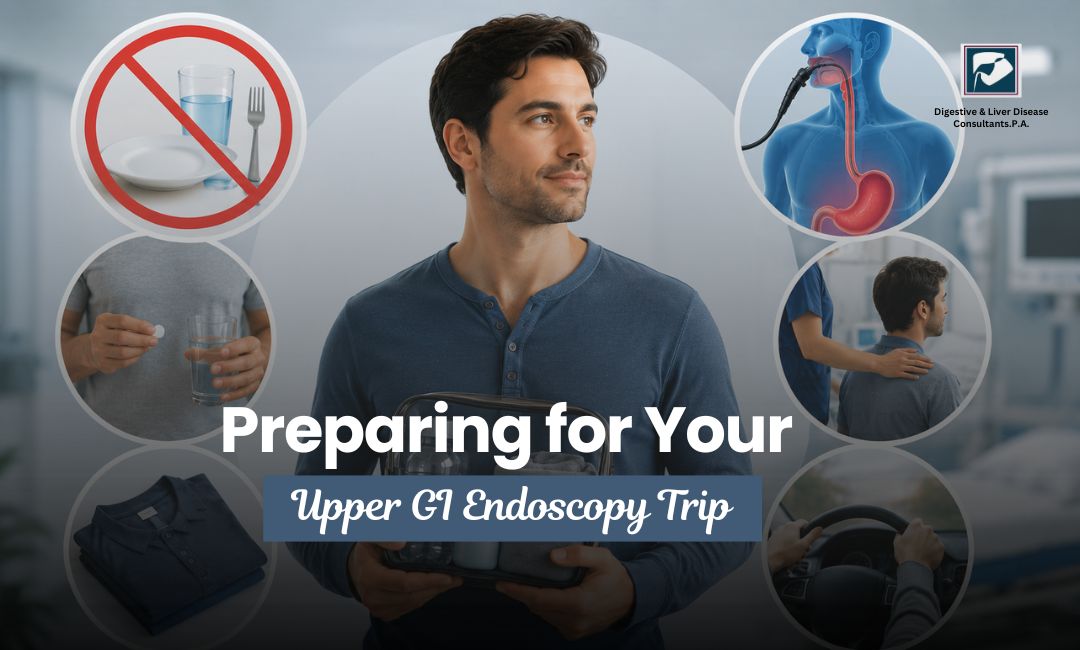
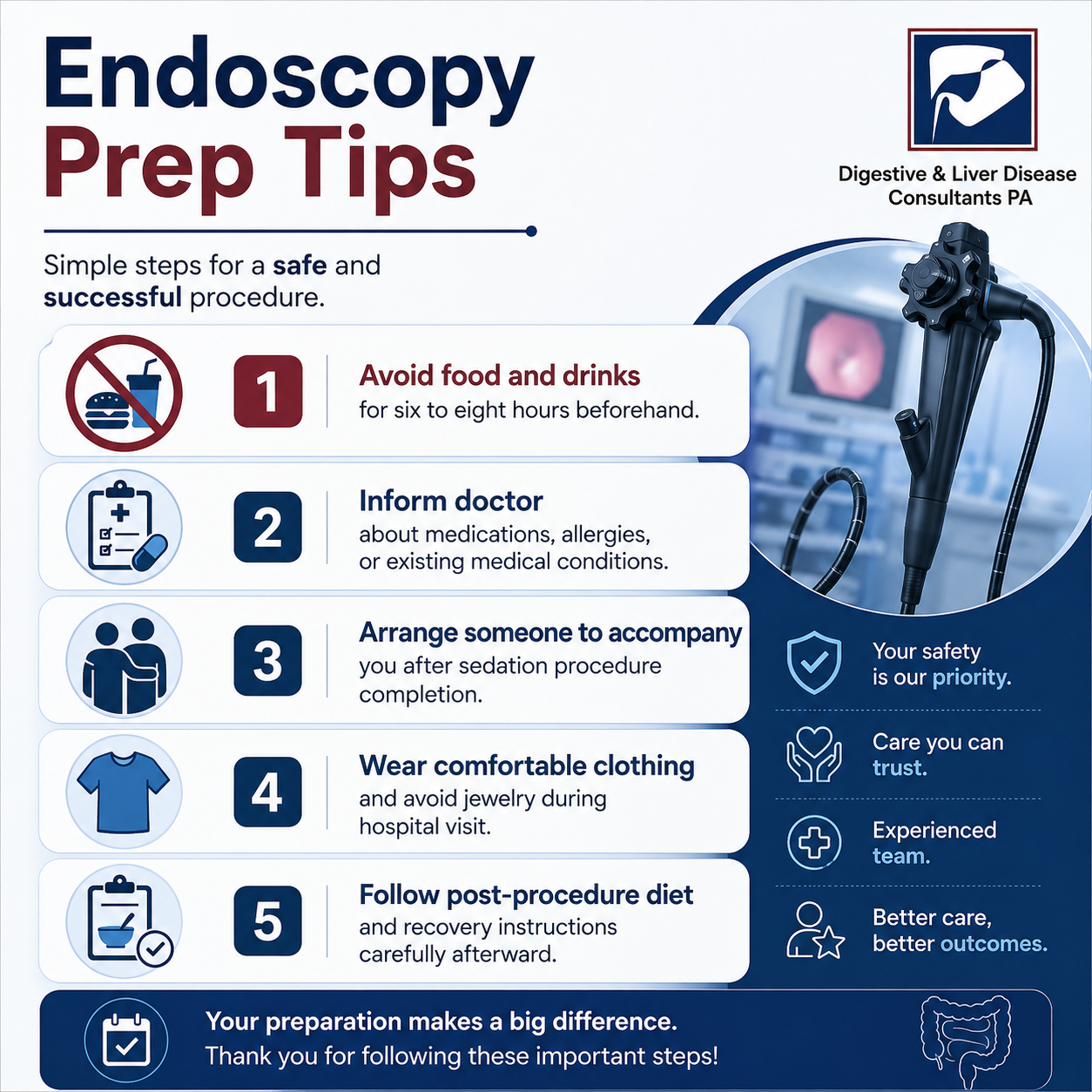
Your doctor will usually advise you not to eat or drink anything for several hours before the procedure. In most cases, patients are instructed to stop eating solid foods at least 6 to 8 hours before the test.
Foods to Avoid Before Endoscopy
Before your procedure, avoid:
- Heavy meals
- Fried foods
- Spicy foods
- Alcohol
- Dairy products close to the fasting period
- Carbonated drinks
- Chewing gum
Clear fasting instructions help keep the stomach empty for safe and effective examination.
Medication Instructions Before the Procedure
Certain medications may need temporary adjustment before your upper GI test procedure. Always inform your doctor about:
- Blood thinners
- Diabetes medications
- Heart medications
- Supplements
- Herbal remedies
- Allergy medications
Never stop medications without medical guidance. Your healthcare provider will explain which medicines should be continued and which should be paused before the procedure.
What to Bring to Your Endoscopy Appointment?
Having an endoscopy appointment checklist can help reduce stress on procedure day.
- Important Things to Bring
- Government ID
- Insurance documents
- Medical records if needed
- List of medications
- Previous test reports
- Comfortable clothing
- A family member or friend to drive you home
Because sedation is commonly used, patients are usually not allowed to drive themselves home after the procedure.
What to Expect During Endoscopy?
Many patients worry about discomfort during the procedure, but upper GI endoscopy is generally quick and well tolerated.
Before the Procedure
You will be asked to change into a hospital gown. A nurse will place an IV line for sedation medication. Your throat may be sprayed with a numbing agent to reduce discomfort.
During the Procedure
The procedure typically takes about 15 to 30 minutes.
During the examination:
- You will lie comfortably on your side
- Sedation helps you relax
- The endoscope is gently passed through the mouth
- The camera captures detailed images of the digestive tract
- Tissue samples may be taken if needed
Most patients remember very little of the procedure because of sedation.
Endoscopy Sedation Tips
Sedation helps make the experience comfortable and anxiety free.
Helpful Sedation Tips
- Follow fasting guidelines carefully
- Inform your doctor about allergies
- Avoid alcohol before the procedure
- Arrange transportation home
- Wear loose clothing
- Ask questions if you feel anxious
Patients usually feel sleepy for a short time after sedation, which is completely normal.
Upper Endoscopy Recovery
Recovery after an upper GI endoscopy is usually smooth and quick.
Most patients spend a short observation period in the recovery area before going home.
Common Temporary Symptoms
You may experience:
- Mild throat soreness
- Slight bloating
- Gas
- Mild drowsiness
These symptoms usually improve within a few hours.
Recovery Tips
- Rest for the remainder of the day
- Drink plenty of fluids
- Start with light meals
- Avoid alcohol for 24 hours
- Follow your doctor’s instructions carefully
Many patients can return to normal activities the next day.
Warning Signs After Endoscopy
Complications are rare, but you should contact your doctor immediately if you experience:
- Severe abdominal pain
- Fever
- Vomiting blood
- Difficulty breathing
- Chest pain
- Black stools
Prompt medical attention ensures safe recovery if unexpected symptoms occur.
Common Conditions Diagnosed with Upper GI Endoscopy
An upper GI scope procedure can help diagnose several digestive disorders, including:
- Acid reflux disease
- Peptic ulcers
- Gastritis
- Esophagitis
- Hiatal hernia
- Barrett’s esophagus
- Celiac disease
- Stomach infections
- Polyps
- Early digestive cancers
Early diagnosis allows timely treatment and better long term outcomes.
Tips for a Stress Free Endoscopy Experience
Preparing mentally and physically can make your procedure day easier.
Simple Preparation Tips
- Read all preparation instructions carefully
- Ask your doctor questions beforehand
- Avoid heavy meals the night before
- Arrive early for your appointment
- Stay calm and relaxed
- Wear comfortable clothing
Knowing what to expect during endoscopy often reduces anxiety significantly.
Why Choose Digestive & Liver Disease Consultants, P.A.?
Choosing the right gastroenterology team is important for accurate diagnosis and quality care. Digestive & Liver Disease Consultants, P.A. is committed to providing advanced digestive healthcare with a patient centered approach.
Experienced Gastroenterology Specialists
The team includes highly skilled specialists experienced in diagnosing and managing a wide range of digestive and liver conditions.
Advanced Endoscopy Services
The clinic offers modern diagnostic technology and advanced endoscopic procedures designed for patient comfort, safety, and accuracy.
Personalized Patient Care
Every patient receives individualized attention and detailed guidance throughout the treatment journey, including complete endoscopy prep instructions and recovery support.
Comfortable and Safe Environment
Patient safety and comfort remain a top priority. The medical team focuses on creating a reassuring environment for patients undergoing digestive procedures.
Comprehensive Digestive Care
From acid reflux and ulcers to liver disorders and colon health, Digestive & Liver Disease Consultants, P.A. provides comprehensive care for various gastrointestinal conditions.
Conclusion
Preparing for an upper GI endoscopy does not have to feel overwhelming. Understanding the procedure, following proper fasting guidelines, and carefully completing all endoscopy prep instructions can help ensure a smooth and successful experience. An upper GI endoscopy is a valuable tool that allows doctors to diagnose digestive conditions early and guide effective treatment.
If you are experiencing persistent digestive symptoms or have been advised to undergo an upper GI scope procedure, seeking care from an experienced gastroenterology team can make a significant difference in your comfort and outcomes.