Abdominal bloating and excessive gas are among the most common reasons patients seek the expertise of a gastroenterologist. While often dismissed as a minor inconvenience, persistent digestive discomfort can significantly impact your quality of life, sleep, and social confidence. Understanding the underlying mechanisms of your digestive system is the first step toward finding lasting relief.
Understanding the Root Causes of Bloating
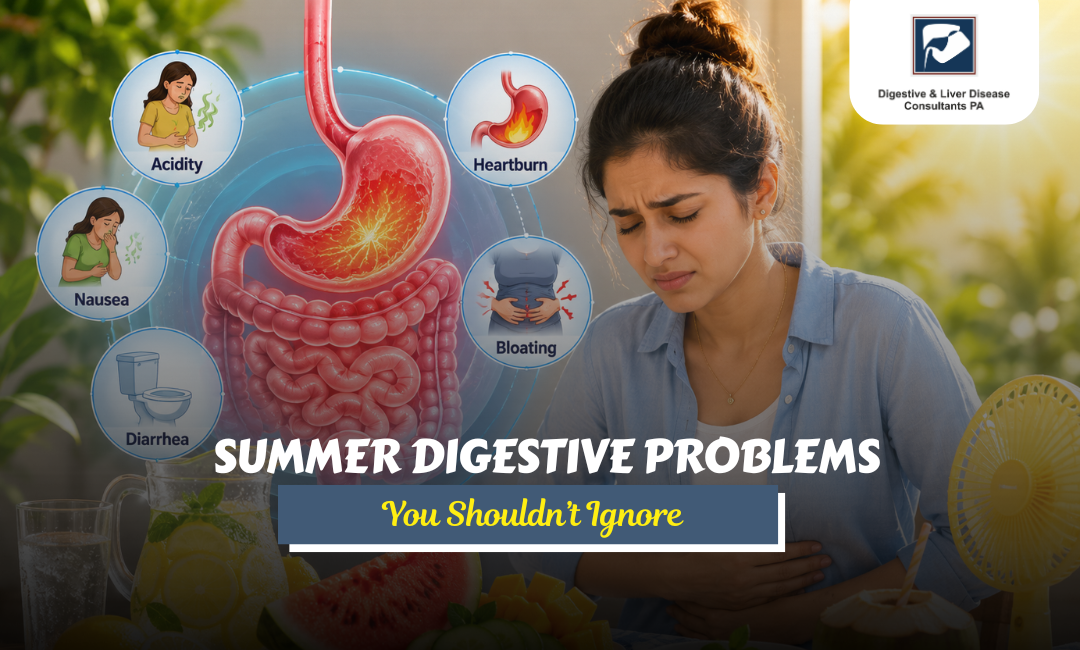
Bloating is the sensation of pressure or fullness in the abdomen, often accompanied by visible swelling (distention). Gas, on the other hand, is a byproduct of the digestive process. When these two symptoms converge, it typically points to one of several physiological triggers.
1. Diet and Common Food Triggers
The most frequent digestive gas causes are related to the breakdown of specific carbohydrates that the small intestine cannot fully absorb. These travel to the colon, where bacteria ferment them, producing gas.
High-FODMAP Foods: This includes fermentable oligosaccharides, disaccharides, monosaccharides, and polyols found in onions, garlic, beans, and certain fruits.
Fiber Adjustments: While essential for gut health, a sudden increase in fiber intake can overwhelm the digestive tract.
Cruciferous Vegetables: Broccoli, cauliflower, and cabbage contain raffinose, a complex sugar that requires specific enzymes to digest.
2. Swallowed Air (Aerophagia)
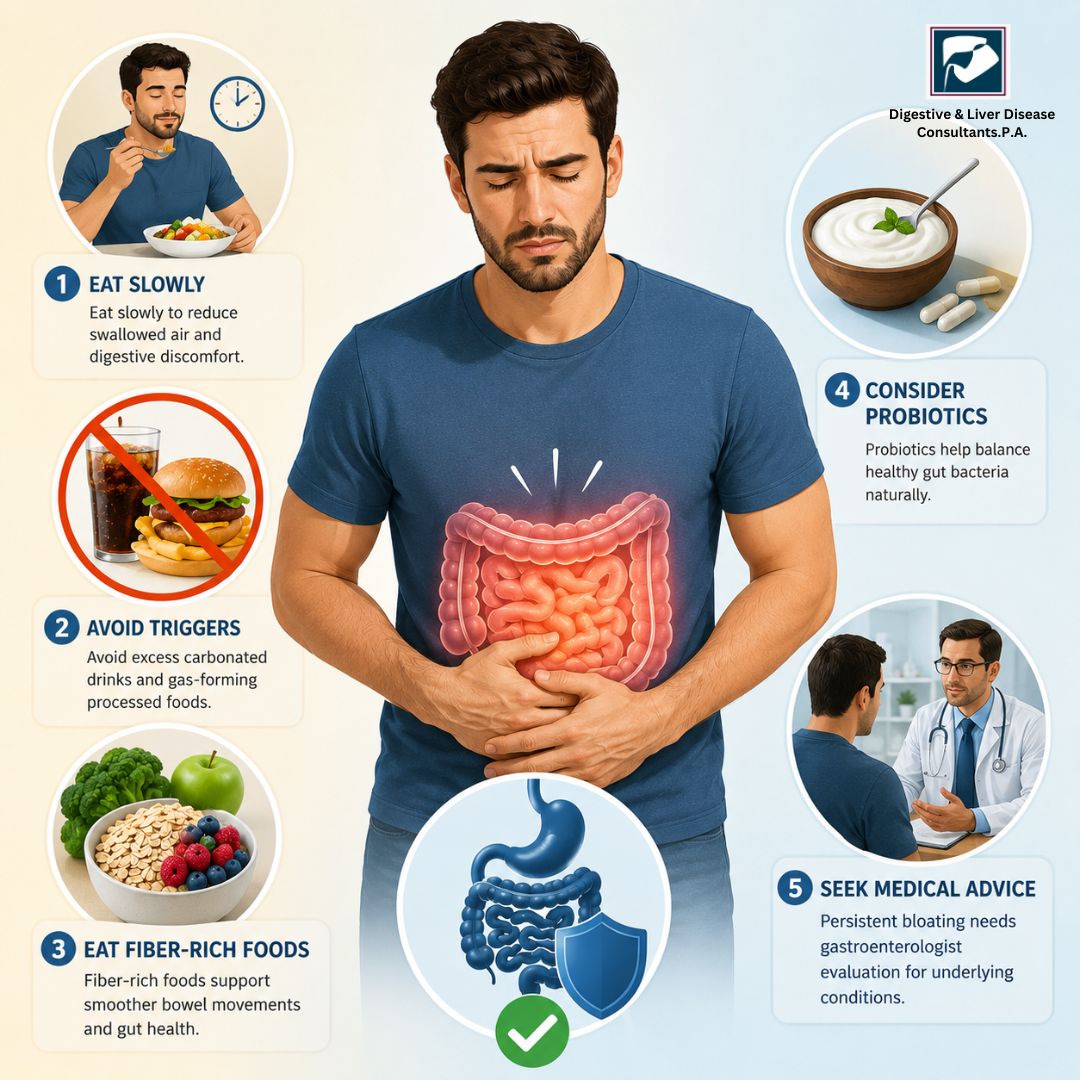
It is normal to swallow some air while eating or drinking. However, certain habits lead to excessive air intake, contributing to bloating after eating. These include:
- Drinking through a straw.
- Chewing gum frequently.
- Eating too quickly or talking while chewing.
- Carbonated beverages.
3. Underlying Medical Conditions
When lifestyle changes do not provide relief, a gastroenterologist may investigate clinical causes, such as:
Irritable Bowel Syndrome (IBS): IBS bloating management often requires a multifaceted approach involving diet and stress management.
Small Intestinal Bacterial Overgrowth (SIBO): This occurs when bacteria from the large intestine migrate to the small intestine.
Food Intolerances: Lactose, fructose, or gluten sensitivities can cause immediate abdominal bloating.
Gastroparesis: A condition where the stomach empties too slowly.
Effective Stomach Bloating Remedies and Treatments
Relieving digestive discomfort involves a combination of immediate symptom management and long-term gut health optimization.
Reduce Gas Naturally with Lifestyle Shifts
Simple adjustments to your daily routine can provide significant digestive discomfort relief:
- Mindful Eating: Focus on chewing food thoroughly. This pre-digests the meal mechanically, reducing the workload on your stomach.
- Light Movement: A short walk after meals helps stimulate the muscles of the GI tract, encouraging the passage of trapped gas.
- Hydration: Water is essential for moving fiber through the system. Dehydration can lead to constipation, which is a major precursor to bloating.
Probiotics for Bloating and Gut Health
The microbiome plays a massive role in how we process gas. Introducing high-quality probiotics can help balance the "good" versus "bad" bacteria in the gut. For those dealing with chronic issues, specific strains like Bifidobacterium infantis have shown efficacy in clinical settings for reducing abdominal distention.
Clinical Abdominal Bloating Treatment
If over-the-counter remedies fail, a gastroenterologist may recommend:
- Low-FODMAP Diet Supervision: A structured elimination diet to identify specific triggers.
- Prescription Medications: Antispasmodics or low-dose neuromodulators to manage gut sensitivity.
- Diagnostic Testing: Breath tests for SIBO or lactose intolerance to ensure the treatment matches the cause.
Expert Gut Health Bloating Tips
To achieve sustainable relief, consider these professional recommendations:
Identify Patterns: Keep a food and symptom diary for two weeks. Note not just what you eat, but how you feel 30 to 90 minutes afterward.
Optimize Stomach Acid: Low stomach acid can lead to undigested food fermenting in the gut. In some cases, digestive enzymes may be suggested by your specialist.
Manage Stress: The gut and brain are deeply connected via the vagus nerve. Stress can alter gut motility, leading to "functional" bloating even when no physical obstruction exists.
Avoid Sugar Alcohols: Ingredients like xylitol, sorbitol, and erythritol (common in "sugar-free" products) are notorious for causing excessive gas and bloating.
Why Choose Digestive & Liver Disease Consultants, P.A.?
When digestive issues become chronic, you need more than just general advice; you need a partner in your long-term health. Digestive & Liver Disease Consultants, P.A. stands out as a premier provider for several reasons:
Specialized Expertise: Our board-certified gastroenterologists specialize in complex cases of IBS, SIBO, and chronic indigestion that have not responded to standard treatments.
Advanced Diagnostics: We utilize the latest in diagnostic technology, including high-resolution breath testing and endoscopic evaluations, to get to the "why" behind your symptoms.
Integrated Care Models: We believe in treating the whole patient. Our approach combines clinical medicine with nutritional guidance and lifestyle strategies tailored specifically to your physiology.
Compassionate Environment: We understand that GI symptoms can be frustrating and personal. Our team provides a supportive, private environment where your concerns are heard and addressed with the highest level of professional care.
Proven Results: We have helped thousands of patients reclaim their comfort and confidence by moving beyond temporary fixes to find true digestive balance.
Conclusion
Bloating and gas are signs that your digestive system is struggling to process its environment. While occasional discomfort is normal, chronic symptoms should never be ignored. By combining dietary mindfulness, natural remedies, and expert medical intervention, you can restore your gut health and live without the constant pressure of digestive distress.
Do not let bloating dictate your diet or your lifestyle. Schedule a comprehensive consultation with the specialists at Digestive & Liver Disease Consultants, P.A. today to identify the cause of your discomfort and start your personalized treatment plan.
Contact us now to book your appointment.