The liver is a powerhouse organ, responsible for over 500 vital functions, including filtering toxins from the blood, processing nutrients from food, and producing bile to aid digestion. Because it plays such a critical role in your overall well-being, the foods you consume daily have a profound impact on its efficiency and longevity.
Whether you are managing a specific condition like non-alcoholic fatty liver disease (NAFLD) or simply want to optimize your metabolic health, incorporating specific liver friendly foods into your routine is one of the most effective ways to support this hardworking organ.
Why Your Diet Matters for Liver Health?
Modern dietary habits often lean toward processed sugars, saturated fats, and refined carbohydrates, all of which can lead to fat accumulation in the liver. Over time, this can cause inflammation and scarring. However, the liver is remarkably resilient. By focusing on a healthy liver diet, you can provide the antioxidants, fiber, and healthy fats necessary for liver protection foods to do their work.
Top Liver-Friendly Foods to Add to Your Daily Diet
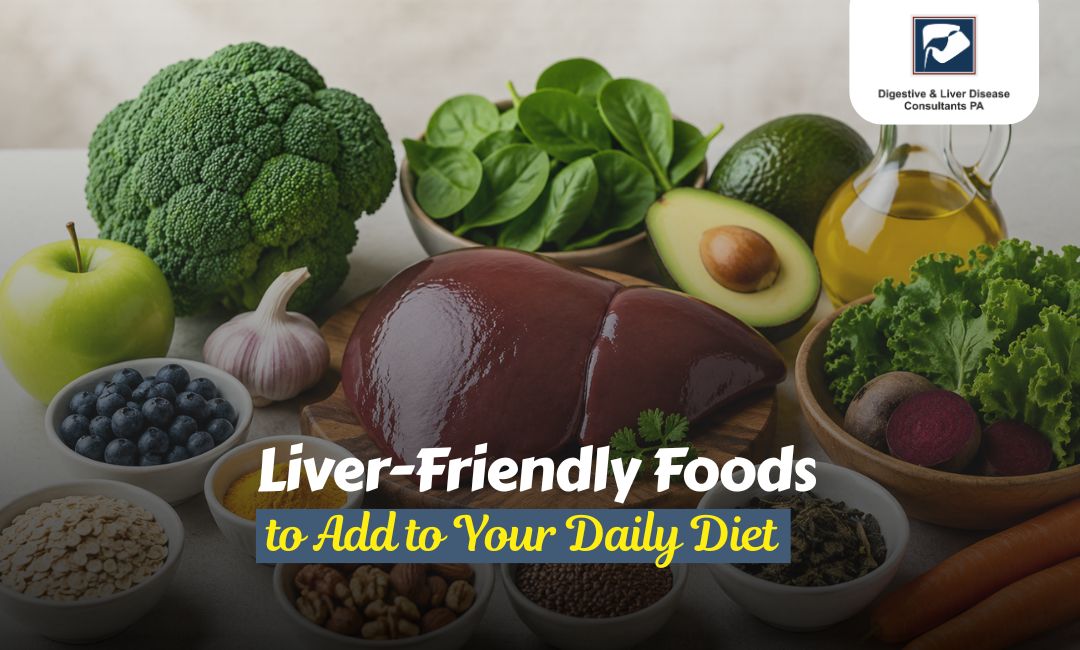
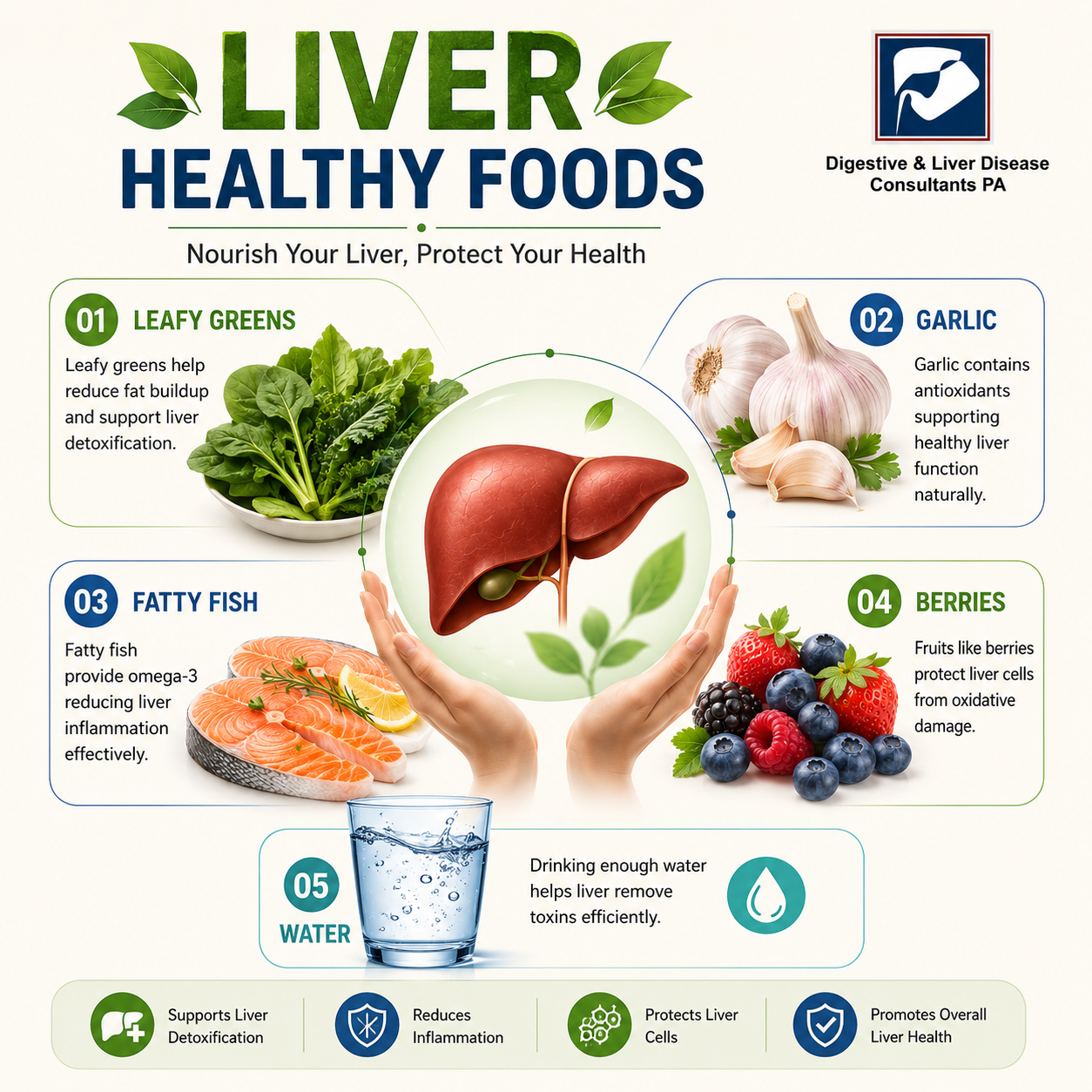
Integrating the following nutrient-dense options can significantly aid in liver cleansing diet goals and improve daily function.
1. Leafy Green Vegetables
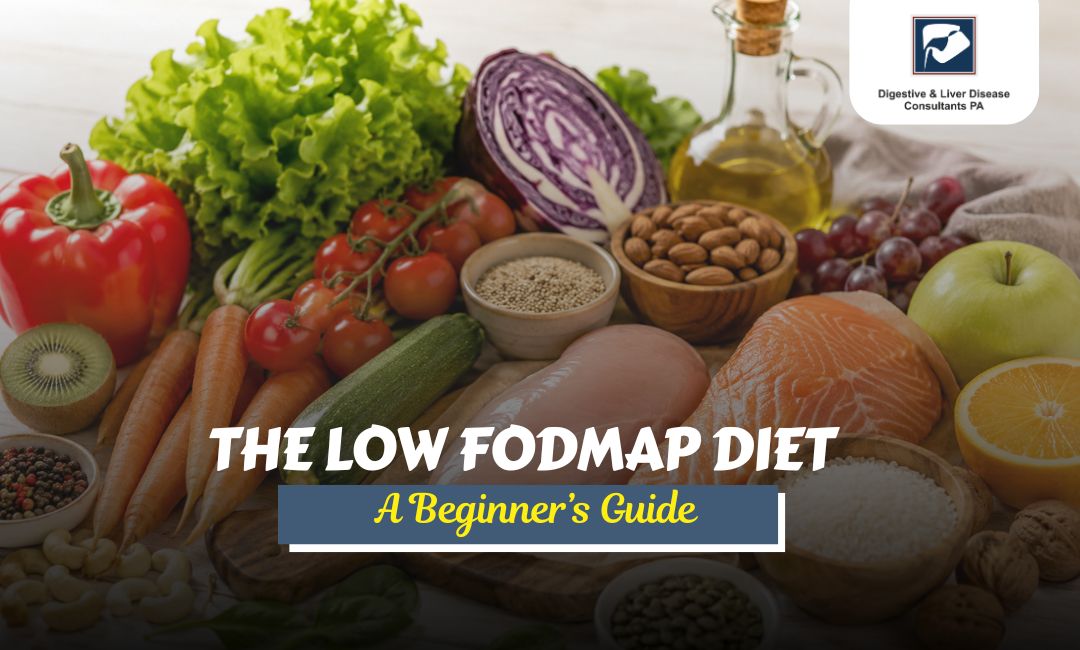
Vegetables like spinach, kale, and collard greens are packed with chlorophyll and antioxidants. These vegetables for liver health help neutralize heavy metals and chemicals that the liver must filter. They also contain high levels of fiber, which promotes healthy digestion and reduces the load on the liver.
2. Cruciferous Vegetables
Broccoli, Brussels sprouts, and cauliflower contain glucosinolates, which support the liver’s natural detoxification enzymes. Research suggests that these vegetables can increase levels of detoxification enzymes and protect the liver from damage.
3. Fatty Fish
Rich in omega-3 fatty acids, fish like salmon, mackerel, and sardines are essential for a fatty liver diet. Omega-3s help reduce inflammation and prevent the buildup of excess fats in the liver, maintaining healthy enzyme levels.
4. Coffee and Green Tea
Surprisingly, your morning brew is one of the best foods for liver repair. Studies have shown that coffee consumption can lower the risk of cirrhosis and permanent liver damage in people with chronic liver disease. Green tea is equally beneficial, loaded with catechins—antioxidants known to improve liver enzyme levels and reduce oxidative stress.
5. Walnuts and Seeds
Walnuts are among the most beneficial nuts for reducing fatty liver disease due to their high antioxidant and fatty acid content. Similarly, flaxseeds and chia seeds provide plant-based omega-3s and fiber that support natural liver support foods initiatives.
6. Berries and Fruits
Blueberries, raspberries, and cranberries contain anthocyanins, which give them their vibrant color and potent antioxidant properties. These fruits good for liver help protect the organ from oxidative damage and can slow the development of lesions or fibrosis.
7. Oatmeal and Whole Grains
Fiber is a liver’s best friend. Foods high in fiber, like oatmeal, help the liver function at its peak by improving digestion and helping you maintain a healthy weight—a key factor in preventing liver stress.
Essential Fatty Liver Diet Tips
Managing or preventing fatty liver requires more than just adding "superfoods"; it involves a holistic approach to nutrition.
Focus on Complex Carbohydrates: Swap white bread and pasta for quinoa, brown rice, and whole oats to keep insulin levels stable.
Prioritize Lean Proteins: Choose skinless poultry, legumes, and tofu over red meats.
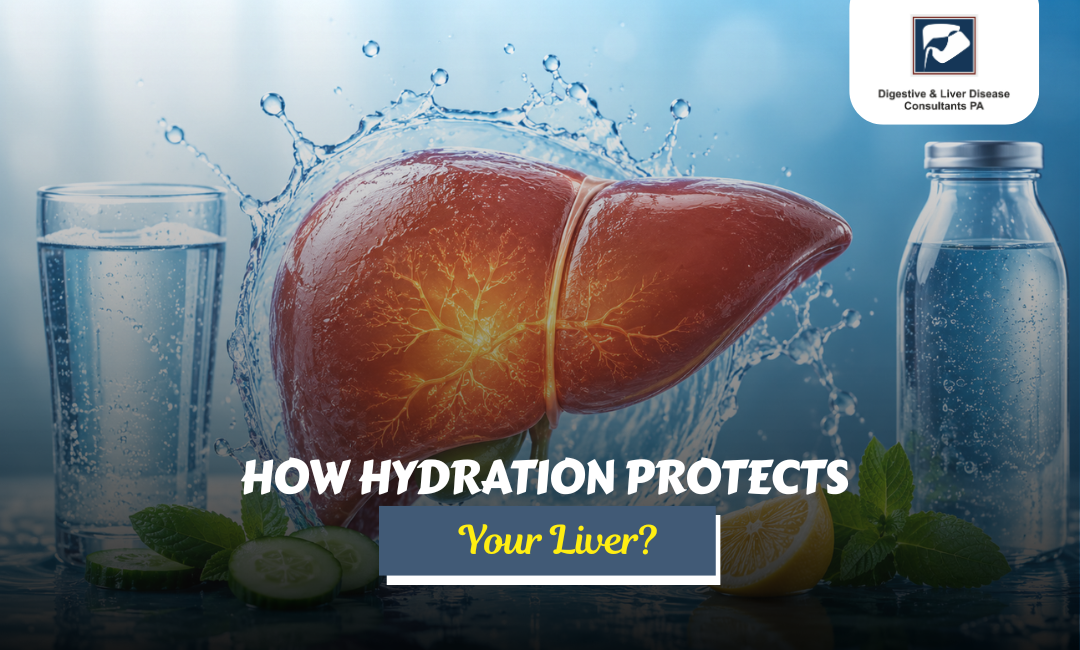
Hydration is Key: Water is the most natural liver detox food. It helps the liver move toxins through its systems and out of the body efficiently.
Monitor Portion Sizes: Reducing overall caloric intake helps prevent the storage of excess fat in liver cells.
Foods to Avoid for Liver Protection
To truly support liver healthy meal plan goals, it is important to minimize or eliminate the following:
Added Sugars: High-fructose corn syrup and table sugar are primary drivers of liver fat.
Processed Foods: Often high in sodium and unhealthy trans fats.
Alcohol: Excessive consumption is a leading cause of liver inflammation and damage.
Why Choose Digestive & Liver Disease Consultants, P.A.?
When it comes to managing your digestive health, professional guidance is irreplaceable. Digestive & Liver Disease Consultants, P.A. stands out as a leader in specialized gastrointestinal and hepatological care.
Comprehensive Expert Care
Our team consists of board-certified specialists who stay at the forefront of medical research. We don't just treat symptoms; we look at the whole person to determine the root cause of your concerns.
Personalized Nutrition and Treatment Plans
Every liver is different. We provide tailored nutrition for liver disease plans that align with your specific medical history and lifestyle. Whether you need a liver healthy meal plan or advanced medical intervention, our consultants provide the roadmap you need.
State-of-the-Art Diagnostics
We utilize the latest diagnostic technology to monitor liver health accurately, ensuring that any issues are caught early when they are most treatable. From FibroScans to advanced lab work, we offer the tools necessary for precision medicine.
A Patient-Centered Approach
At Digestive & Liver Disease Consultants, P.A., we believe in empowering our patients. We take the time to educate you on foods to improve liver function and provide the support needed to make lasting lifestyle changes.
Conclusion
Taking care of your liver is a lifelong commitment that begins on your plate. By prioritizing liver protection foods such as leafy greens, fatty fish, and fiber-rich grains, you can significantly improve your energy levels, digestion, and long-term health. Remember, while diet is a foundation, professional medical oversight is the key to managing complex conditions like fatty liver or hepatitis.
Don't wait for symptoms to appear before focusing on your liver. Schedule a consultation with our best GI specialists at Digestive & Liver Disease Consultants, P.A. today to receive a personalized wellness plan.
Contact us today to book your appointment and start your journey toward a healthier, more vibrant life.